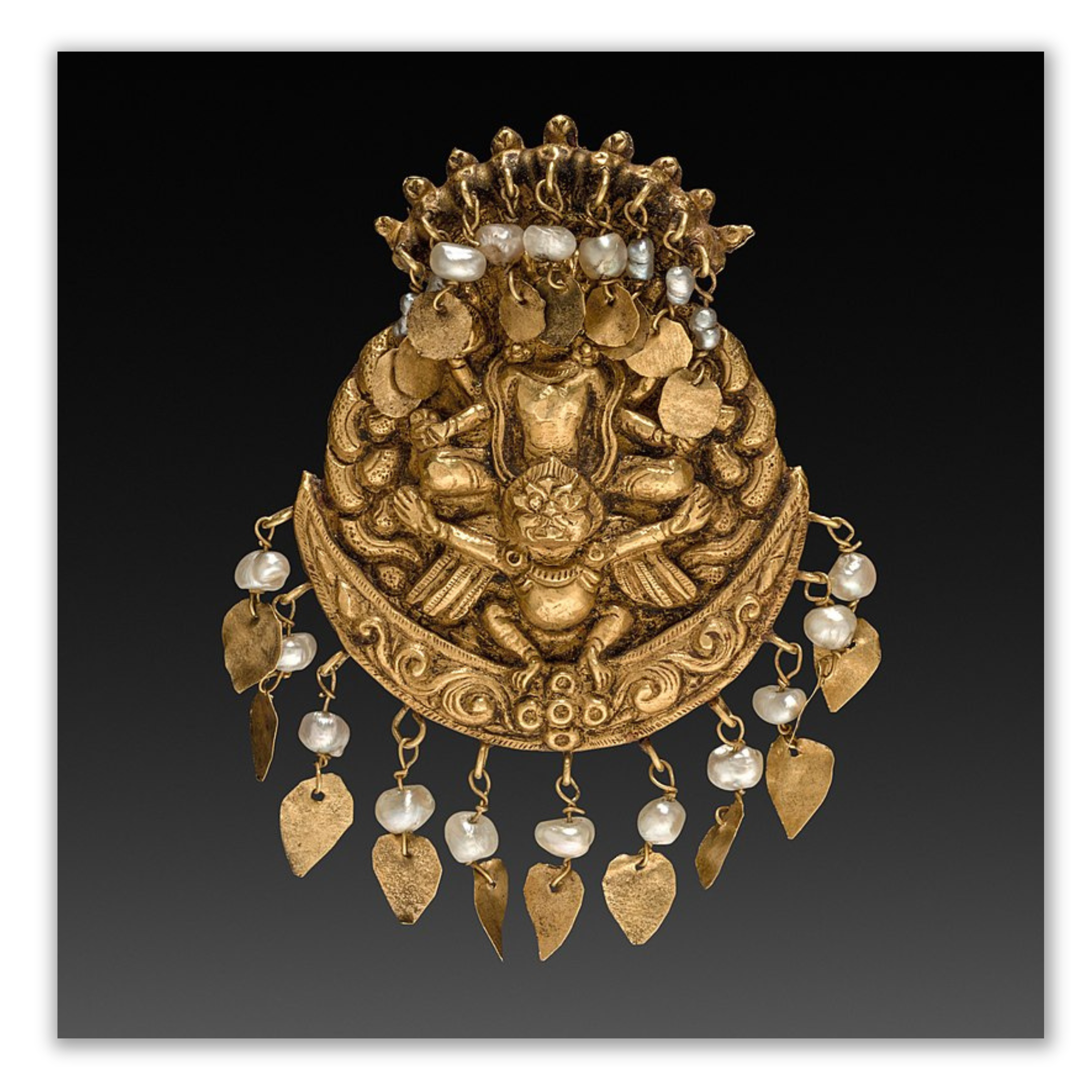
Fine Art Jewelry

Gioielli d'Arte Fine

Gioielli da Uomo Lettura Gioielli d'Arte Fine 9 minuti Prossimo Gioielli Antichi

Fine art jewelry is an exquisite form of wearable art that demands a fusion of artistic vision, technical skill, and a profound understanding of materials. Each piece is a testament to the artist's creativity, showcasing their ability to transcend the boundaries of conventional jewelry-making. In this guide, we will take you through the intricate process of creating fine art jewelry, from conceptualization to the finishing touches.  1. Conceptualization Inspiration and Idea Generation The journey of creating fine art jewelry begins with inspiration. This can be drawn from a myriad of sources - nature, personal experiences, emotions, societal issues, or abstract concepts. Artists often keep sketchbooks or journals to capture fleeting moments of inspiration.  Theme and Narrative Once inspired, the artist develops a theme or narrative for the piece. This could be a story, a message, an emotion, or an exploration of a specific concept. The chosen theme will guide all subsequent decisions in the creation process.  2. Material Selection Exploring Unconventional Materials Fine art jewelry often incorporates a wide range of materials beyond the traditional metals and gemstones. This can include wood, glass, ceramics, plastics, textiles, and even found objects. The choice of materials is integral to the piece's conceptual and aesthetic impact.  Consideration of Material Properties Artists must understand the properties of the chosen materials - their durability, malleability, color, texture, and how they interact with other elements in the piece. This knowledge ensures that the materials serve the artistic vision effectively.  3. Techniques and Execution Traditional and Experimental Techniques Fine art jewelers are adept in both traditional jewelry-making techniques (e.g., soldering, stone-setting, metal forming) and experimental methods (e.g., enameling, filigree, mixed-media assemblage). The choice of technique depends on the desired outcome and the compatibility with selected materials.  Attention to Detail Fine art jewelry demands precision and attention to detail. Each component of the piece must be meticulously crafted to align with the artist's vision. This includes considerations for symmetry, proportions, and surface finishes.  4. Concept Integration Weaving the Concept into the Design Throughout the creation process, the artist continually references the initial concept and narrative. Every design decision - from the arrangement of elements to the choice of colors and textures - should serve to convey or enhance the intended message or emotion.  5. Finishing and Presentation Surface Treatments The finishing touches are crucial in fine art jewelry. Surface treatments such as polishing, patination, or texturing can dramatically impact the visual and tactile qualities of the piece.  Presentation and Display How a piece is presented significantly influences how it is perceived. Artists carefully consider how the jewelry will be worn or displayed, ensuring it complements the wearer or the environment in which it is showcased.  6. Reflection and Refinement Critical Evaluation Once the piece is complete, the artist engages in a critical evaluation. They assess how effectively the piece communicates the intended concept and if any adjustments are necessary.  Iterative Process Fine art jewelry often involves a series of iterations. Artists may revisit and refine their designs, applying new techniques or exploring different materials to further develop their artistic voice.  7. Documentation and Communication Recording the Process Many artists document their creative process through sketches, photographs, or written reflections. This documentation serves as a record of the evolution of the piece and can be valuable for future reference or for sharing the artistic journey with others.  Creating fine art jewelry is a deeply personal and expressive endeavor. It requires a profound connection to the chosen materials, a mastery of techniques, and a commitment to the conceptual foundation of the piece. The result is not just an accessory, but a tangible embodiment of the artist's creativity and vision, inviting the viewer to engage with the world in new and profound ways.

Cos'è la Gioielleria d'Arte/ Introduzione e Guida:

Emerald Mother Of Pearl Diamond Gold Taj Earrings by 1stDibs

Orecchini Taj in madreperla di smeraldo, diamanti e oro di 1stDibs

La gioielleria d'arte rappresenta un'armoniosa fusione di espressione artistica, maestria raffinata e la bellezza senza tempo dei materiali preziosi. A differenza della gioielleria convenzionale, che si concentra principalmente sul valore intrinseco delle pietre preziose e dei metalli, la gioielleria d'arte pone un'enfasi profonda sugli aspetti estetici, concettuali ed emotivi del pezzo. In questa guida completa, esploreremo il mondo affascinante della gioielleria d'arte, analizzando la sua storia, le caratteristiche, gli artisti noti e il processo complesso di creazione.

Comprendere la Gioielleria d'Arte

La gioielleria d'arte trascende il regno dell'ornamento tradizionale. È un connubio di espressione artistica, maestria eccezionale e l'attrattiva dei materiali preziosi. A differenza della gioielleria convenzionale, che spesso dà priorità al valore intrinseco delle pietre e dei metalli, la gioielleria d'arte pone un'enfasi profonda sugli aspetti concettuali, emotivi ed estetici del pezzo. In questa guida completa, approfondiremo l'essenza, le caratteristiche, gli artisti noti e il processo di creazione di questa forma d'arte.

Definizione di Gioielleria d'Arte:

La gioielleria d'arte si trova all'intersezione tra visione artistica e abilità tecnica. Consiste nella creazione di pezzi di arte indossabile che sono non solo esteticamente sorprendenti, ma anche concettualmente profondi. Gli artisti che si dedicano alla gioielleria d'arte non sono solo gioiellieri qualificati, ma anche artisti a tutto tondo, che fondono abilmente la loro maestria nelle tecniche tradizionali di gioielleria con una profonda comprensione dei principi di design e estetica.

Una deviazione dall'ornamento convenzionale

Mentre la gioielleria convenzionale spesso dà priorità al valore monetario dei materiali, la gioielleria d'arte privilegia la visione artistica e la profondità concettuale del pezzo. Ogni creazione è unica, portando con sé una storia, un sentimento o un'idea profonda. Sfida i confini di ciò che può essere la gioielleria, spingendo i limiti della creatività e dell'innovazione.

Fine art jewelry is an exquisite form of wearable art that demands a fusion of artistic vision, technical skill, and a profound understanding of materials. Each piece is a testament to the artist's creativity, showcasing their ability to transcend the boundaries of conventional jewelry-making. In this guide, we will take you through the intricate process of creating fine art jewelry, from conceptualization to the finishing touches.  1. Conceptualization Inspiration and Idea Generation The journey of creating fine art jewelry begins with inspiration. This can be drawn from a myriad of sources - nature, personal experiences, emotions, societal issues, or abstract concepts. Artists often keep sketchbooks or journals to capture fleeting moments of inspiration.  Theme and Narrative Once inspired, the artist develops a theme or narrative for the piece. This could be a story, a message, an emotion, or an exploration of a specific concept. The chosen theme will guide all subsequent decisions in the creation process.  2. Material Selection Exploring Unconventional Materials Fine art jewelry often incorporates a wide range of materials beyond the traditional metals and gemstones. This can include wood, glass, ceramics, plastics, textiles, and even found objects. The choice of materials is integral to the piece's conceptual and aesthetic impact.  Consideration of Material Properties Artists must understand the properties of the chosen materials - their durability, malleability, color, texture, and how they interact with other elements in the piece. This knowledge ensures that the materials serve the artistic vision effectively.  3. Techniques and Execution Traditional and Experimental Techniques Fine art jewelers are adept in both traditional jewelry-making techniques (e.g., soldering, stone-setting, metal forming) and experimental methods (e.g., enameling, filigree, mixed-media assemblage). The choice of technique depends on the desired outcome and the compatibility with selected materials.  Attention to Detail Fine art jewelry demands precision and attention to detail. Each component of the piece must be meticulously crafted to align with the artist's vision. This includes considerations for symmetry, proportions, and surface finishes.  4. Concept Integration Weaving the Concept into the Design Throughout the creation process, the artist continually references the initial concept and narrative. Every design decision - from the arrangement of elements to the choice of colors and textures - should serve to convey or enhance the intended message or emotion.  5. Finishing and Presentation Surface Treatments The finishing touches are crucial in fine art jewelry. Surface treatments such as polishing, patination, or texturing can dramatically impact the visual and tactile qualities of the piece.  Presentation and Display How a piece is presented significantly influences how it is perceived. Artists carefully consider how the jewelry will be worn or displayed, ensuring it complements the wearer or the environment in which it is showcased.  6. Reflection and Refinement Critical Evaluation Once the piece is complete, the artist engages in a critical evaluation. They assess how effectively the piece communicates the intended concept and if any adjustments are necessary.  Iterative Process Fine art jewelry often involves a series of iterations. Artists may revisit and refine their designs, applying new techniques or exploring different materials to further develop their artistic voice.  7. Documentation and Communication Recording the Process Many artists document their creative process through sketches, photographs, or written reflections. This documentation serves as a record of the evolution of the piece and can be valuable for future reference or for sharing the artistic journey with others.  Creating fine art jewelry is a deeply personal and expressive endeavor. It requires a profound connection to the chosen materials, a mastery of techniques, and a commitment to the conceptual foundation of the piece. The result is not just an accessory, but a tangible embodiment of the artist's creativity and vision, inviting the viewer to engage with the world in new and profound ways.

Caratteristiche della Gioielleria d'Arte:

Laguna Beach Jewelry Designer by Adam Neeley

Designer di gioielli di Laguna Beach di Adam Neeley

Design Innovativo

La gioielleria d'arte è nota per i suoi design innovativi e spesso non convenzionali. Gli artisti di questo settore non sono vincolati dalla tradizione; sperimentano con materiali, tecniche e forme per creare pezzi che siano sia visivamente sorprendenti che intellettualmente stimolanti.

Profondità Concettuale

Ogni pezzo di gioielleria d'arte è ancorato a una narrazione, un concetto o un tema. Questa base concettuale aggiunge un livello di significato e coinvolgimento oltre l'aspetto estetico. Invita lo spettatore ad approfondire la storia dietro il pezzo.

Edizione Limitata o Unica

La gioielleria d'arte viene generalmente prodotta in quantità limitate o come creazioni uniche. Questa esclusività aumenta il valore e l'importanza di ogni pezzo.

Fine art jewelry is an exquisite form of wearable art that demands a fusion of artistic vision, technical skill, and a profound understanding of materials. Each piece is a testament to the artist's creativity, showcasing their ability to transcend the boundaries of conventional jewelry-making. In this guide, we will take you through the intricate process of creating fine art jewelry, from conceptualization to the finishing touches.  1. Conceptualization Inspiration and Idea Generation The journey of creating fine art jewelry begins with inspiration. This can be drawn from a myriad of sources - nature, personal experiences, emotions, societal issues, or abstract concepts. Artists often keep sketchbooks or journals to capture fleeting moments of inspiration.  Theme and Narrative Once inspired, the artist develops a theme or narrative for the piece. This could be a story, a message, an emotion, or an exploration of a specific concept. The chosen theme will guide all subsequent decisions in the creation process.  2. Material Selection Exploring Unconventional Materials Fine art jewelry often incorporates a wide range of materials beyond the traditional metals and gemstones. This can include wood, glass, ceramics, plastics, textiles, and even found objects. The choice of materials is integral to the piece's conceptual and aesthetic impact.  Consideration of Material Properties Artists must understand the properties of the chosen materials - their durability, malleability, color, texture, and how they interact with other elements in the piece. This knowledge ensures that the materials serve the artistic vision effectively.  3. Techniques and Execution Traditional and Experimental Techniques Fine art jewelers are adept in both traditional jewelry-making techniques (e.g., soldering, stone-setting, metal forming) and experimental methods (e.g., enameling, filigree, mixed-media assemblage). The choice of technique depends on the desired outcome and the compatibility with selected materials.  Attention to Detail Fine art jewelry demands precision and attention to detail. Each component of the piece must be meticulously crafted to align with the artist's vision. This includes considerations for symmetry, proportions, and surface finishes.  4. Concept Integration Weaving the Concept into the Design Throughout the creation process, the artist continually references the initial concept and narrative. Every design decision - from the arrangement of elements to the choice of colors and textures - should serve to convey or enhance the intended message or emotion.  5. Finishing and Presentation Surface Treatments The finishing touches are crucial in fine art jewelry. Surface treatments such as polishing, patination, or texturing can dramatically impact the visual and tactile qualities of the piece.  Presentation and Display How a piece is presented significantly influences how it is perceived. Artists carefully consider how the jewelry will be worn or displayed, ensuring it complements the wearer or the environment in which it is showcased.  6. Reflection and Refinement Critical Evaluation Once the piece is complete, the artist engages in a critical evaluation. They assess how effectively the piece communicates the intended concept and if any adjustments are necessary.  Iterative Process Fine art jewelry often involves a series of iterations. Artists may revisit and refine their designs, applying new techniques or exploring different materials to further develop their artistic voice.  7. Documentation and Communication Recording the Process Many artists document their creative process through sketches, photographs, or written reflections. This documentation serves as a record of the evolution of the piece and can be valuable for future reference or for sharing the artistic journey with others.  Creating fine art jewelry is a deeply personal and expressive endeavor. It requires a profound connection to the chosen materials, a mastery of techniques, and a commitment to the conceptual foundation of the piece. The result is not just an accessory, but a tangible embodiment of the artist's creativity and vision, inviting the viewer to engage with the world in new and profound ways.

Uno sguardo alla storia:

Origini della Gioielleria d'Arte

La gioielleria d'arte ha radici antiche, con civiltà come gli Egizi, Greci e Romani che si adornavano con gioielli intricati spesso intrisi di significato simbolico o religioso. Tuttavia, il concetto moderno di gioielleria d'arte è emerso nel XX secolo con l'avvento di movimenti artistici come l'Art Nouveau e l'Art Deco.

Movimenti artistici e gioielli d'arte fine

  • Art Nouveau (fine XIX - inizio XX secolo): Celebrato per le sue forme organiche e fluide ispirate alla natura, l'Art Nouveau ha influenzato notevolmente il design dei gioielli, dando origine a pezzi che richiamano la bellezza del mondo naturale.

  • Art Deco (1920-1930): Caratterizzati da forme geometriche, colori audaci e un senso di opulenza, i gioielli Art Deco riflettevano il glamour e la raffinatezza degli anni ruggenti.

Fine art jewelry is an exquisite form of wearable art that demands a fusion of artistic vision, technical skill, and a profound understanding of materials. Each piece is a testament to the artist's creativity, showcasing their ability to transcend the boundaries of conventional jewelry-making. In this guide, we will take you through the intricate process of creating fine art jewelry, from conceptualization to the finishing touches.  1. Conceptualization Inspiration and Idea Generation The journey of creating fine art jewelry begins with inspiration. This can be drawn from a myriad of sources - nature, personal experiences, emotions, societal issues, or abstract concepts. Artists often keep sketchbooks or journals to capture fleeting moments of inspiration.  Theme and Narrative Once inspired, the artist develops a theme or narrative for the piece. This could be a story, a message, an emotion, or an exploration of a specific concept. The chosen theme will guide all subsequent decisions in the creation process.  2. Material Selection Exploring Unconventional Materials Fine art jewelry often incorporates a wide range of materials beyond the traditional metals and gemstones. This can include wood, glass, ceramics, plastics, textiles, and even found objects. The choice of materials is integral to the piece's conceptual and aesthetic impact.  Consideration of Material Properties Artists must understand the properties of the chosen materials - their durability, malleability, color, texture, and how they interact with other elements in the piece. This knowledge ensures that the materials serve the artistic vision effectively.  3. Techniques and Execution Traditional and Experimental Techniques Fine art jewelers are adept in both traditional jewelry-making techniques (e.g., soldering, stone-setting, metal forming) and experimental methods (e.g., enameling, filigree, mixed-media assemblage). The choice of technique depends on the desired outcome and the compatibility with selected materials.  Attention to Detail Fine art jewelry demands precision and attention to detail. Each component of the piece must be meticulously crafted to align with the artist's vision. This includes considerations for symmetry, proportions, and surface finishes.  4. Concept Integration Weaving the Concept into the Design Throughout the creation process, the artist continually references the initial concept and narrative. Every design decision - from the arrangement of elements to the choice of colors and textures - should serve to convey or enhance the intended message or emotion.  5. Finishing and Presentation Surface Treatments The finishing touches are crucial in fine art jewelry. Surface treatments such as polishing, patination, or texturing can dramatically impact the visual and tactile qualities of the piece.  Presentation and Display How a piece is presented significantly influences how it is perceived. Artists carefully consider how the jewelry will be worn or displayed, ensuring it complements the wearer or the environment in which it is showcased.  6. Reflection and Refinement Critical Evaluation Once the piece is complete, the artist engages in a critical evaluation. They assess how effectively the piece communicates the intended concept and if any adjustments are necessary.  Iterative Process Fine art jewelry often involves a series of iterations. Artists may revisit and refine their designs, applying new techniques or exploring different materials to further develop their artistic voice.  7. Documentation and Communication Recording the Process Many artists document their creative process through sketches, photographs, or written reflections. This documentation serves as a record of the evolution of the piece and can be valuable for future reference or for sharing the artistic journey with others.  Creating fine art jewelry is a deeply personal and expressive endeavor. It requires a profound connection to the chosen materials, a mastery of techniques, and a commitment to the conceptual foundation of the piece. The result is not just an accessory, but a tangible embodiment of the artist's creativity and vision, inviting the viewer to engage with the world in new and profound ways.

Artisti e Movimenti Notabili:

René Lalique

René-Lalique verre et citrine Chantecler

René-Lalique vetro e citrino Chantecler

Pioniere dei gioielli Art Nouveau, le creazioni di Lalique presentavano disegni intricati ispirati alla natura, spesso incorporando materiali come vetro ed smalto.

Alexander Calder

brass wire bracelet by Alexander Calder (1898-1976)

Bracciale in filo di ottone di Alexander Calder (1898-1976)

Famoso per le sue sculture mobili, Calder si è anche cimentato nella creazione di pezzi d'arte indossabili, sfumando i confini tra scultura e gioiello.

Art Smith

Craft in America - Artist - art-smith

Figura di spicco nel movimento del gioiello da studio americano, le sue creazioni all'avanguardia sfidavano le nozioni convenzionali di gioiello.

Movimento del Gioiello da Studio

Emergendo a metà del XX secolo, questo movimento enfatizzava l'artista come creatore e artigiano, promuovendo un approccio più personale e artistico alla realizzazione di gioielli.

Fine art jewelry is an exquisite form of wearable art that demands a fusion of artistic vision, technical skill, and a profound understanding of materials. Each piece is a testament to the artist's creativity, showcasing their ability to transcend the boundaries of conventional jewelry-making. In this guide, we will take you through the intricate process of creating fine art jewelry, from conceptualization to the finishing touches.  1. Conceptualization Inspiration and Idea Generation The journey of creating fine art jewelry begins with inspiration. This can be drawn from a myriad of sources - nature, personal experiences, emotions, societal issues, or abstract concepts. Artists often keep sketchbooks or journals to capture fleeting moments of inspiration.  Theme and Narrative Once inspired, the artist develops a theme or narrative for the piece. This could be a story, a message, an emotion, or an exploration of a specific concept. The chosen theme will guide all subsequent decisions in the creation process.  2. Material Selection Exploring Unconventional Materials Fine art jewelry often incorporates a wide range of materials beyond the traditional metals and gemstones. This can include wood, glass, ceramics, plastics, textiles, and even found objects. The choice of materials is integral to the piece's conceptual and aesthetic impact.  Consideration of Material Properties Artists must understand the properties of the chosen materials - their durability, malleability, color, texture, and how they interact with other elements in the piece. This knowledge ensures that the materials serve the artistic vision effectively.  3. Techniques and Execution Traditional and Experimental Techniques Fine art jewelers are adept in both traditional jewelry-making techniques (e.g., soldering, stone-setting, metal forming) and experimental methods (e.g., enameling, filigree, mixed-media assemblage). The choice of technique depends on the desired outcome and the compatibility with selected materials.  Attention to Detail Fine art jewelry demands precision and attention to detail. Each component of the piece must be meticulously crafted to align with the artist's vision. This includes considerations for symmetry, proportions, and surface finishes.  4. Concept Integration Weaving the Concept into the Design Throughout the creation process, the artist continually references the initial concept and narrative. Every design decision - from the arrangement of elements to the choice of colors and textures - should serve to convey or enhance the intended message or emotion.  5. Finishing and Presentation Surface Treatments The finishing touches are crucial in fine art jewelry. Surface treatments such as polishing, patination, or texturing can dramatically impact the visual and tactile qualities of the piece.  Presentation and Display How a piece is presented significantly influences how it is perceived. Artists carefully consider how the jewelry will be worn or displayed, ensuring it complements the wearer or the environment in which it is showcased.  6. Reflection and Refinement Critical Evaluation Once the piece is complete, the artist engages in a critical evaluation. They assess how effectively the piece communicates the intended concept and if any adjustments are necessary.  Iterative Process Fine art jewelry often involves a series of iterations. Artists may revisit and refine their designs, applying new techniques or exploring different materials to further develop their artistic voice.  7. Documentation and Communication Recording the Process Many artists document their creative process through sketches, photographs, or written reflections. This documentation serves as a record of the evolution of the piece and can be valuable for future reference or for sharing the artistic journey with others.  Creating fine art jewelry is a deeply personal and expressive endeavor. It requires a profound connection to the chosen materials, a mastery of techniques, and a commitment to the conceptual foundation of the piece. The result is not just an accessory, but a tangible embodiment of the artist's creativity and vision, inviting the viewer to engage with the world in new and profound ways.

Creare Gioielli d'Arte Fine: Il Processo

Natural Green Colombian Emerald Diamond Cascade Drop Earrings by 1stDibs

Orecchini cascata di diamanti e smeraldi colombiani verdi naturali di 1stDibs

I gioielli d'arte fine sono una forma squisita di arte indossabile che richiede una fusione di visione artistica, abilità tecnica e una profonda comprensione dei materiali. Ogni pezzo è una testimonianza della creatività dell'artista, che mostra la capacità di andare oltre i confini della gioielleria convenzionale. In questa guida, ti accompagneremo attraverso il complesso processo di creazione di gioielli d'arte fine, dalla conceptualizzazione alle ultime rifiniture.

1. Conceptualizzazione

Ispirazione e Generazione di Idee

Il percorso di creazione di gioielli d'arte fine inizia con l'ispirazione. Questa può essere tratta da molteplici fonti - natura, esperienze personali, emozioni, questioni sociali o concetti astratti. Gli artisti spesso tengono quaderni o diari per catturare i momenti fugaci di ispirazione.

Tema e Narrazione

Una volta ispirato, l'artista sviluppa un tema o una narrazione per il pezzo. Potrebbe essere una storia, un messaggio, un'emozione o un'esplorazione di un concetto specifico. Il tema scelto guiderà tutte le decisioni successive nel processo di creazione.

2. Selezione dei Materiali

Esplorazione di Materiali Non Convenzionali

I gioielli d'arte fine spesso incorporano una vasta gamma di materiali oltre ai metalli e alle pietre preziose tradizionali. Questo può includere legno, vetro, ceramica, plastica, tessuti e anche oggetti trovati. La scelta dei materiali è fondamentale per l'impatto concettuale ed estetico del pezzo.

Considerazione delle Proprietà dei Materiali

Gli artisti devono comprendere le proprietà dei materiali scelti - la loro durabilità, malleabilità, colore, texture e come interagiscono con gli altri elementi del pezzo. Questa conoscenza garantisce che i materiali servano efficacemente la visione artistica.

3. Tecniche ed Esecuzione

Tecniche Tradizionali e Sperimentali

I gioiellieri d'arte fine sono esperti sia nelle tecniche tradizionali di gioielleria (ad esempio saldatura, incastonatura, modellatura del metallo) sia in metodi sperimentali (ad esempio smaltatura, filigrana, assemblaggio multimediale). La scelta della tecnica dipende dal risultato desiderato e dalla compatibilità con i materiali selezionati.

Attenzione ai dettagli

I gioielli d'arte richiedono precisione e attenzione ai dettagli. Ogni componente del pezzo deve essere realizzato meticolosamente per allinearsi alla visione dell'artista. Ciò include considerazioni per simmetria, proporzioni e finiture superficiali.

4. Integrazione del concetto

Durante tutto il processo di creazione, l'artista fa riferimento continuamente al concetto e alla narrazione iniziali. Ogni decisione di design — dall'organizzazione degli elementi alla scelta di colori e texture — deve servire a trasmettere o migliorare il messaggio o l'emozione desiderata.

5. Finitura e presentazione

Ruby, Black & White Diamond Earrings by Adam Neeley

Orecchini con rubino, diamanti neri e bianchi di Adam Neeley

Trattamenti superficiali

Le finiture sono fondamentali nei gioielli d'arte. Trattamenti superficiali come lucidatura, patinatura o texturing possono influenzare drasticamente le qualità visive e tattili del pezzo.

Presentazione e esposizione

Il modo in cui un pezzo viene presentato influisce significativamente sulla percezione. Gli artisti considerano attentamente come il gioiello sarà indossato o esposto, assicurandosi che si integri con il portatore o con l'ambiente in cui viene mostrato.

6. Riflessione e perfezionamento

Valutazione critica

Una volta completato il pezzo, l'artista si dedica a una valutazione critica. Valuta quanto efficacemente il pezzo comunica il concetto desiderato e se sono necessari eventuali aggiustamenti.

Processo iterativo

L'arte orafa spesso prevede una serie di iterazioni. Gli artisti possono rivedere e perfezionare i loro design, applicando nuove tecniche o esplorando materiali diversi per sviluppare ulteriormente la loro voce artistica.

7. Documentazione e comunicazione

Molti artisti documentano il loro processo creativo attraverso schizzi, fotografie o riflessioni scritte. Questa documentazione serve come registro dell'evoluzione del pezzo e può essere preziosa per riferimenti futuri o per condividere il percorso artistico con altri.

Creare gioielli d'arte è un'attività profondamente personale ed espressiva. Richiede una connessione profonda con i materiali scelti, una padronanza delle tecniche e un impegno nei confronti della base concettuale del pezzo. Il risultato non è solo un accessorio, ma un'emanazione tangibile della creatività e della visione dell'artista, invitando lo spettatore a interagire con il mondo in modi nuovi e profondi.

Fine art jewelry is an exquisite form of wearable art that demands a fusion of artistic vision, technical skill, and a profound understanding of materials. Each piece is a testament to the artist's creativity, showcasing their ability to transcend the boundaries of conventional jewelry-making. In this guide, we will take you through the intricate process of creating fine art jewelry, from conceptualization to the finishing touches.  1. Conceptualization Inspiration and Idea Generation The journey of creating fine art jewelry begins with inspiration. This can be drawn from a myriad of sources - nature, personal experiences, emotions, societal issues, or abstract concepts. Artists often keep sketchbooks or journals to capture fleeting moments of inspiration.  Theme and Narrative Once inspired, the artist develops a theme or narrative for the piece. This could be a story, a message, an emotion, or an exploration of a specific concept. The chosen theme will guide all subsequent decisions in the creation process.  2. Material Selection Exploring Unconventional Materials Fine art jewelry often incorporates a wide range of materials beyond the traditional metals and gemstones. This can include wood, glass, ceramics, plastics, textiles, and even found objects. The choice of materials is integral to the piece's conceptual and aesthetic impact.  Consideration of Material Properties Artists must understand the properties of the chosen materials - their durability, malleability, color, texture, and how they interact with other elements in the piece. This knowledge ensures that the materials serve the artistic vision effectively.  3. Techniques and Execution Traditional and Experimental Techniques Fine art jewelers are adept in both traditional jewelry-making techniques (e.g., soldering, stone-setting, metal forming) and experimental methods (e.g., enameling, filigree, mixed-media assemblage). The choice of technique depends on the desired outcome and the compatibility with selected materials.  Attention to Detail Fine art jewelry demands precision and attention to detail. Each component of the piece must be meticulously crafted to align with the artist's vision. This includes considerations for symmetry, proportions, and surface finishes.  4. Concept Integration Weaving the Concept into the Design Throughout the creation process, the artist continually references the initial concept and narrative. Every design decision - from the arrangement of elements to the choice of colors and textures - should serve to convey or enhance the intended message or emotion.  5. Finishing and Presentation Surface Treatments The finishing touches are crucial in fine art jewelry. Surface treatments such as polishing, patination, or texturing can dramatically impact the visual and tactile qualities of the piece.  Presentation and Display How a piece is presented significantly influences how it is perceived. Artists carefully consider how the jewelry will be worn or displayed, ensuring it complements the wearer or the environment in which it is showcased.  6. Reflection and Refinement Critical Evaluation Once the piece is complete, the artist engages in a critical evaluation. They assess how effectively the piece communicates the intended concept and if any adjustments are necessary.  Iterative Process Fine art jewelry often involves a series of iterations. Artists may revisit and refine their designs, applying new techniques or exploring different materials to further develop their artistic voice.  7. Documentation and Communication Recording the Process Many artists document their creative process through sketches, photographs, or written reflections. This documentation serves as a record of the evolution of the piece and can be valuable for future reference or for sharing the artistic journey with others.  Creating fine art jewelry is a deeply personal and expressive endeavor. It requires a profound connection to the chosen materials, a mastery of techniques, and a commitment to the conceptual foundation of the piece. The result is not just an accessory, but a tangible embodiment of the artist's creativity and vision, inviting the viewer to engage with the world in new and profound ways.

Collezionare e apprezzare i gioielli d'arte

Costruire una collezione

Collezionare gioielli d'arte richiede un occhio attento, una profonda apprezzamento per l'espressione artistica e la volontà di esplorare artisti e movimenti emergenti.

Mostre e gallerie

Le gallerie d'arte e le mostre spesso espongono il lavoro di gioiellieri d'arte. Partecipare a questi eventi offre l'opportunità di entrare in contatto con gli artisti, ottenere approfondimenti sui loro processi creativi e scoprire nuovi pezzi.

Valutazione e investimento

Sebbene i gioielli d'arte possano apprezzarsi nel tempo, è importante considerare questa forma come espressione artistica piuttosto che un investimento finanziario puro. Ricercare il background dell'artista, la sua storia espositiva e il riscontro critico può fornire un contesto per valutare il valore del pezzo.

Fine art jewelry is an exquisite form of wearable art that demands a fusion of artistic vision, technical skill, and a profound understanding of materials. Each piece is a testament to the artist's creativity, showcasing their ability to transcend the boundaries of conventional jewelry-making. In this guide, we will take you through the intricate process of creating fine art jewelry, from conceptualization to the finishing touches.  1. Conceptualization Inspiration and Idea Generation The journey of creating fine art jewelry begins with inspiration. This can be drawn from a myriad of sources - nature, personal experiences, emotions, societal issues, or abstract concepts. Artists often keep sketchbooks or journals to capture fleeting moments of inspiration.  Theme and Narrative Once inspired, the artist develops a theme or narrative for the piece. This could be a story, a message, an emotion, or an exploration of a specific concept. The chosen theme will guide all subsequent decisions in the creation process.  2. Material Selection Exploring Unconventional Materials Fine art jewelry often incorporates a wide range of materials beyond the traditional metals and gemstones. This can include wood, glass, ceramics, plastics, textiles, and even found objects. The choice of materials is integral to the piece's conceptual and aesthetic impact.  Consideration of Material Properties Artists must understand the properties of the chosen materials - their durability, malleability, color, texture, and how they interact with other elements in the piece. This knowledge ensures that the materials serve the artistic vision effectively.  3. Techniques and Execution Traditional and Experimental Techniques Fine art jewelers are adept in both traditional jewelry-making techniques (e.g., soldering, stone-setting, metal forming) and experimental methods (e.g., enameling, filigree, mixed-media assemblage). The choice of technique depends on the desired outcome and the compatibility with selected materials.  Attention to Detail Fine art jewelry demands precision and attention to detail. Each component of the piece must be meticulously crafted to align with the artist's vision. This includes considerations for symmetry, proportions, and surface finishes.  4. Concept Integration Weaving the Concept into the Design Throughout the creation process, the artist continually references the initial concept and narrative. Every design decision - from the arrangement of elements to the choice of colors and textures - should serve to convey or enhance the intended message or emotion.  5. Finishing and Presentation Surface Treatments The finishing touches are crucial in fine art jewelry. Surface treatments such as polishing, patination, or texturing can dramatically impact the visual and tactile qualities of the piece.  Presentation and Display How a piece is presented significantly influences how it is perceived. Artists carefully consider how the jewelry will be worn or displayed, ensuring it complements the wearer or the environment in which it is showcased.  6. Reflection and Refinement Critical Evaluation Once the piece is complete, the artist engages in a critical evaluation. They assess how effectively the piece communicates the intended concept and if any adjustments are necessary.  Iterative Process Fine art jewelry often involves a series of iterations. Artists may revisit and refine their designs, applying new techniques or exploring different materials to further develop their artistic voice.  7. Documentation and Communication Recording the Process Many artists document their creative process through sketches, photographs, or written reflections. This documentation serves as a record of the evolution of the piece and can be valuable for future reference or for sharing the artistic journey with others.  Creating fine art jewelry is a deeply personal and expressive endeavor. It requires a profound connection to the chosen materials, a mastery of techniques, and a commitment to the conceptual foundation of the piece. The result is not just an accessory, but a tangible embodiment of the artist's creativity and vision, inviting the viewer to engage with the world in new and profound ways.

Conclusione

I gioielli d'arte rappresentano una testimonianza della creatività illimitata e della visione artistica dei loro creatori. Sfida le convenzioni, sfuma i confini tra arte e ornamento e ci invita a interagire con il mondo in modi nuovi e profondi. Che tu sia un collezionista appassionato, un artista emergente o semplicemente un ammiratore della bellezza, i gioielli d'arte offrono un affascinante viaggio nel regno dell'arte indossabile.