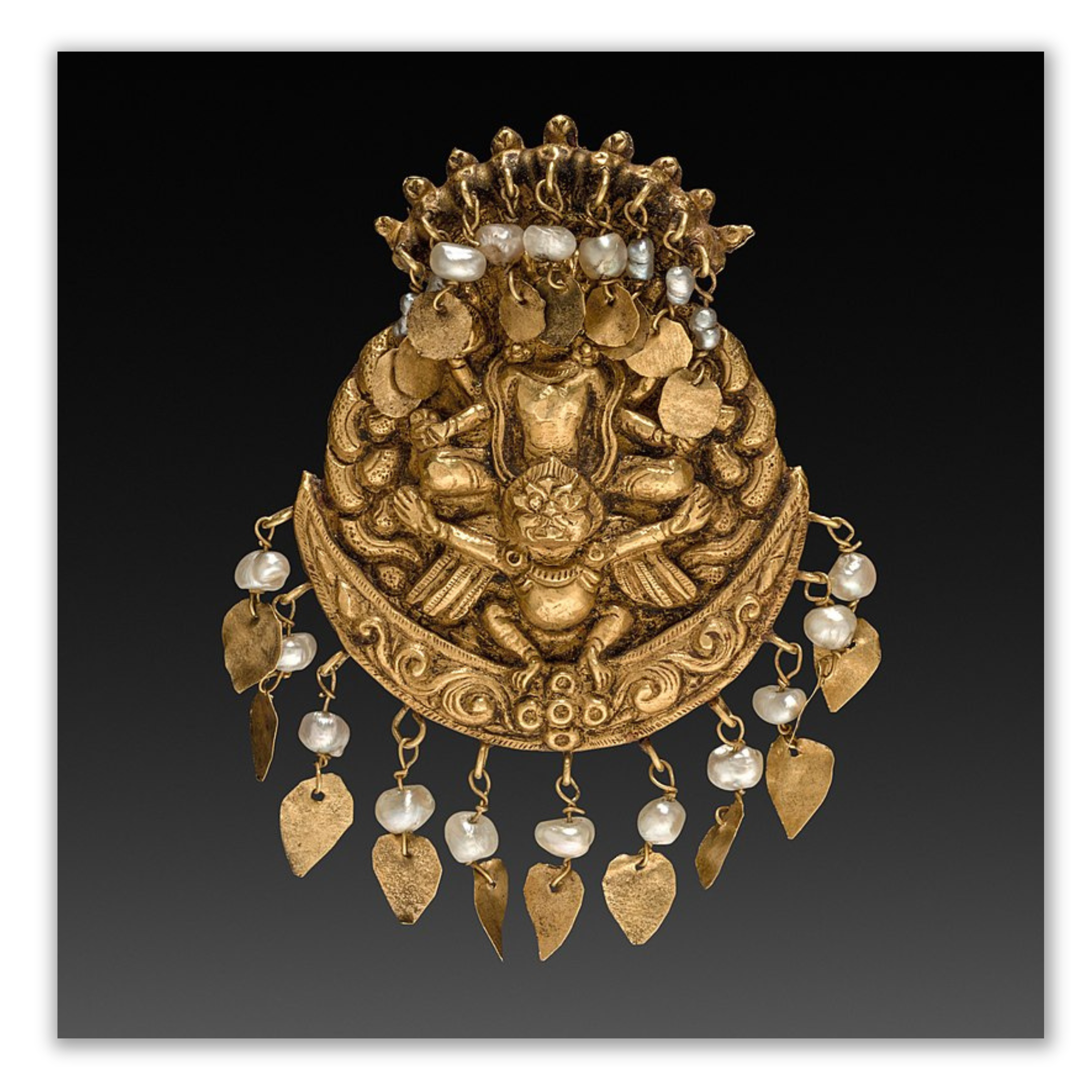
Fine Art Jewelry

ファインアートジュエリー

メンズジュエリー 読む ファインアートジュエリー 1 分 古代ジュエリー

Fine art jewelry is an exquisite form of wearable art that demands a fusion of artistic vision, technical skill, and a profound understanding of materials. Each piece is a testament to the artist's creativity, showcasing their ability to transcend the boundaries of conventional jewelry-making. In this guide, we will take you through the intricate process of creating fine art jewelry, from conceptualization to the finishing touches.  1. Conceptualization Inspiration and Idea Generation The journey of creating fine art jewelry begins with inspiration. This can be drawn from a myriad of sources - nature, personal experiences, emotions, societal issues, or abstract concepts. Artists often keep sketchbooks or journals to capture fleeting moments of inspiration.  Theme and Narrative Once inspired, the artist develops a theme or narrative for the piece. This could be a story, a message, an emotion, or an exploration of a specific concept. The chosen theme will guide all subsequent decisions in the creation process.  2. Material Selection Exploring Unconventional Materials Fine art jewelry often incorporates a wide range of materials beyond the traditional metals and gemstones. This can include wood, glass, ceramics, plastics, textiles, and even found objects. The choice of materials is integral to the piece's conceptual and aesthetic impact.  Consideration of Material Properties Artists must understand the properties of the chosen materials - their durability, malleability, color, texture, and how they interact with other elements in the piece. This knowledge ensures that the materials serve the artistic vision effectively.  3. Techniques and Execution Traditional and Experimental Techniques Fine art jewelers are adept in both traditional jewelry-making techniques (e.g., soldering, stone-setting, metal forming) and experimental methods (e.g., enameling, filigree, mixed-media assemblage). The choice of technique depends on the desired outcome and the compatibility with selected materials.  Attention to Detail Fine art jewelry demands precision and attention to detail. Each component of the piece must be meticulously crafted to align with the artist's vision. This includes considerations for symmetry, proportions, and surface finishes.  4. Concept Integration Weaving the Concept into the Design Throughout the creation process, the artist continually references the initial concept and narrative. Every design decision - from the arrangement of elements to the choice of colors and textures - should serve to convey or enhance the intended message or emotion.  5. Finishing and Presentation Surface Treatments The finishing touches are crucial in fine art jewelry. Surface treatments such as polishing, patination, or texturing can dramatically impact the visual and tactile qualities of the piece.  Presentation and Display How a piece is presented significantly influences how it is perceived. Artists carefully consider how the jewelry will be worn or displayed, ensuring it complements the wearer or the environment in which it is showcased.  6. Reflection and Refinement Critical Evaluation Once the piece is complete, the artist engages in a critical evaluation. They assess how effectively the piece communicates the intended concept and if any adjustments are necessary.  Iterative Process Fine art jewelry often involves a series of iterations. Artists may revisit and refine their designs, applying new techniques or exploring different materials to further develop their artistic voice.  7. Documentation and Communication Recording the Process Many artists document their creative process through sketches, photographs, or written reflections. This documentation serves as a record of the evolution of the piece and can be valuable for future reference or for sharing the artistic journey with others.  Creating fine art jewelry is a deeply personal and expressive endeavor. It requires a profound connection to the chosen materials, a mastery of techniques, and a commitment to the conceptual foundation of the piece. The result is not just an accessory, but a tangible embodiment of the artist's creativity and vision, inviting the viewer to engage with the world in new and profound ways.

ファインアートジュエリーとは/入門とガイド:

Emerald Mother Of Pearl Diamond Gold Taj Earrings by 1stDibs

エメラルド、マザーオブパール、ダイヤモンド、ゴールドのタージイヤリング by 1stDibs

ファインアートジュエリーは、芸術的表現、卓越したクラフトマンシップ、そして貴重な素材の永遠の美しさが調和した作品です。従来のジュエリーとは異なり、主に宝石や金属の内在的価値に焦点を当てるのではなく、ファインアートジュエリーは作品の美的、概念的、感情的側面に深く重点を置いています。この包括的なガイドでは、ファインアートジュエリーの魅力的な世界に入り込み、その歴史、特徴、著名なアーティスト、そして制作の複雑な過程について詳しく探ります。

ファインアートジュエリーの理解

ファインアートジュエリーは、伝統的な装飾の枠を超えています。芸術的表現、卓越したクラフトマンシップ、そして貴重な素材の魅力が融合したものです。従来のジュエリーはしばしば宝石や金属の内在的価値を優先しますが、ファインアートジュエリーは作品の概念的、感情的、美的側面に深く重点を置いています。この包括的なガイドでは、ファインアートジュエリーの本質、特徴、著名なアーティスト、そして制作の複雑な過程について詳しく掘り下げます。

ファインアートジュエリーの定義:

ファインアートジュエリーは、芸術的ビジョンと技術的スキルの交差点に位置します。身に着けられる芸術作品を創造し、視覚的に驚くべきだけでなく、概念的にも深いものです。ファインアートジュエリーに携わるアーティストは、単なる宝石職人ではなく、アーティストとしても卓越しており、伝統的なジュエリー制作技術とデザイン原則や美学の深い理解をシームレスに融合させています。

従来の装飾からの逸脱

従来のジュエリーはしばしば素材の金銭的価値を重視しますが、ファインアートジュエリーは芸術的ビジョンと概念的深さを優先します。各作品はユニークであり、物語や感情、深遠なアイデアを内包しています。ジュエリーの枠を超えた創造性と革新性を追求し、境界を挑戦します。

Fine art jewelry is an exquisite form of wearable art that demands a fusion of artistic vision, technical skill, and a profound understanding of materials. Each piece is a testament to the artist's creativity, showcasing their ability to transcend the boundaries of conventional jewelry-making. In this guide, we will take you through the intricate process of creating fine art jewelry, from conceptualization to the finishing touches.  1. Conceptualization Inspiration and Idea Generation The journey of creating fine art jewelry begins with inspiration. This can be drawn from a myriad of sources - nature, personal experiences, emotions, societal issues, or abstract concepts. Artists often keep sketchbooks or journals to capture fleeting moments of inspiration.  Theme and Narrative Once inspired, the artist develops a theme or narrative for the piece. This could be a story, a message, an emotion, or an exploration of a specific concept. The chosen theme will guide all subsequent decisions in the creation process.  2. Material Selection Exploring Unconventional Materials Fine art jewelry often incorporates a wide range of materials beyond the traditional metals and gemstones. This can include wood, glass, ceramics, plastics, textiles, and even found objects. The choice of materials is integral to the piece's conceptual and aesthetic impact.  Consideration of Material Properties Artists must understand the properties of the chosen materials - their durability, malleability, color, texture, and how they interact with other elements in the piece. This knowledge ensures that the materials serve the artistic vision effectively.  3. Techniques and Execution Traditional and Experimental Techniques Fine art jewelers are adept in both traditional jewelry-making techniques (e.g., soldering, stone-setting, metal forming) and experimental methods (e.g., enameling, filigree, mixed-media assemblage). The choice of technique depends on the desired outcome and the compatibility with selected materials.  Attention to Detail Fine art jewelry demands precision and attention to detail. Each component of the piece must be meticulously crafted to align with the artist's vision. This includes considerations for symmetry, proportions, and surface finishes.  4. Concept Integration Weaving the Concept into the Design Throughout the creation process, the artist continually references the initial concept and narrative. Every design decision - from the arrangement of elements to the choice of colors and textures - should serve to convey or enhance the intended message or emotion.  5. Finishing and Presentation Surface Treatments The finishing touches are crucial in fine art jewelry. Surface treatments such as polishing, patination, or texturing can dramatically impact the visual and tactile qualities of the piece.  Presentation and Display How a piece is presented significantly influences how it is perceived. Artists carefully consider how the jewelry will be worn or displayed, ensuring it complements the wearer or the environment in which it is showcased.  6. Reflection and Refinement Critical Evaluation Once the piece is complete, the artist engages in a critical evaluation. They assess how effectively the piece communicates the intended concept and if any adjustments are necessary.  Iterative Process Fine art jewelry often involves a series of iterations. Artists may revisit and refine their designs, applying new techniques or exploring different materials to further develop their artistic voice.  7. Documentation and Communication Recording the Process Many artists document their creative process through sketches, photographs, or written reflections. This documentation serves as a record of the evolution of the piece and can be valuable for future reference or for sharing the artistic journey with others.  Creating fine art jewelry is a deeply personal and expressive endeavor. It requires a profound connection to the chosen materials, a mastery of techniques, and a commitment to the conceptual foundation of the piece. The result is not just an accessory, but a tangible embodiment of the artist's creativity and vision, inviting the viewer to engage with the world in new and profound ways.

ファインアートジュエリーの特徴:

Laguna Beach Jewelry Designer by Adam Neeley

アダム・ニーリーによるラグナビーチのジュエリーデザイナー

革新的なデザイン

ファインアートジュエリーは、革新的でしばしば型破りなデザインで知られています。この領域のアーティストは伝統に縛られず、素材、技法、形状を実験し、視覚的に印象的で知的に刺激的な作品を創り出します。

概念的深さ

各ファインアートジュエリーは、物語、コンセプト、テーマに基づいています。この概念的な土台は、美的魅力を超えた意味や関与の層を加えます。鑑賞者に作品の背後にある物語を深く理解させることを促します。

限定版または一点物

ファインアートジュエリーは、通常限定的な数量または一点物として制作されます。この排他性は、各作品の価値と重要性を高めます。

Fine art jewelry is an exquisite form of wearable art that demands a fusion of artistic vision, technical skill, and a profound understanding of materials. Each piece is a testament to the artist's creativity, showcasing their ability to transcend the boundaries of conventional jewelry-making. In this guide, we will take you through the intricate process of creating fine art jewelry, from conceptualization to the finishing touches.  1. Conceptualization Inspiration and Idea Generation The journey of creating fine art jewelry begins with inspiration. This can be drawn from a myriad of sources - nature, personal experiences, emotions, societal issues, or abstract concepts. Artists often keep sketchbooks or journals to capture fleeting moments of inspiration.  Theme and Narrative Once inspired, the artist develops a theme or narrative for the piece. This could be a story, a message, an emotion, or an exploration of a specific concept. The chosen theme will guide all subsequent decisions in the creation process.  2. Material Selection Exploring Unconventional Materials Fine art jewelry often incorporates a wide range of materials beyond the traditional metals and gemstones. This can include wood, glass, ceramics, plastics, textiles, and even found objects. The choice of materials is integral to the piece's conceptual and aesthetic impact.  Consideration of Material Properties Artists must understand the properties of the chosen materials - their durability, malleability, color, texture, and how they interact with other elements in the piece. This knowledge ensures that the materials serve the artistic vision effectively.  3. Techniques and Execution Traditional and Experimental Techniques Fine art jewelers are adept in both traditional jewelry-making techniques (e.g., soldering, stone-setting, metal forming) and experimental methods (e.g., enameling, filigree, mixed-media assemblage). The choice of technique depends on the desired outcome and the compatibility with selected materials.  Attention to Detail Fine art jewelry demands precision and attention to detail. Each component of the piece must be meticulously crafted to align with the artist's vision. This includes considerations for symmetry, proportions, and surface finishes.  4. Concept Integration Weaving the Concept into the Design Throughout the creation process, the artist continually references the initial concept and narrative. Every design decision - from the arrangement of elements to the choice of colors and textures - should serve to convey or enhance the intended message or emotion.  5. Finishing and Presentation Surface Treatments The finishing touches are crucial in fine art jewelry. Surface treatments such as polishing, patination, or texturing can dramatically impact the visual and tactile qualities of the piece.  Presentation and Display How a piece is presented significantly influences how it is perceived. Artists carefully consider how the jewelry will be worn or displayed, ensuring it complements the wearer or the environment in which it is showcased.  6. Reflection and Refinement Critical Evaluation Once the piece is complete, the artist engages in a critical evaluation. They assess how effectively the piece communicates the intended concept and if any adjustments are necessary.  Iterative Process Fine art jewelry often involves a series of iterations. Artists may revisit and refine their designs, applying new techniques or exploring different materials to further develop their artistic voice.  7. Documentation and Communication Recording the Process Many artists document their creative process through sketches, photographs, or written reflections. This documentation serves as a record of the evolution of the piece and can be valuable for future reference or for sharing the artistic journey with others.  Creating fine art jewelry is a deeply personal and expressive endeavor. It requires a profound connection to the chosen materials, a mastery of techniques, and a commitment to the conceptual foundation of the piece. The result is not just an accessory, but a tangible embodiment of the artist's creativity and vision, inviting the viewer to engage with the world in new and profound ways.

歴史の一端:

ファインアートジュエリーの起源

ファインアートジュエリーは古代に遡ります。エジプト人、ギリシャ人、ローマ人などの文明は、象徴的または宗教的な意味合いを持つ複雑なジュエリーを身に着けていました。しかし、現代のファインアートジュエリーの概念は、アールヌーボーやアールデコなどの芸術運動の登場とともに20世紀に生まれました。

アートムーブメントとファインアートジュエリー

  • アール・ヌーヴォー(19世紀後半から20世紀初頭): 有機的で流れるような自然にインスパイアされた形状で知られるアール・ヌーヴォーは、ジュエリーデザインに大きな影響を与え、自然界の美しさを反映した作品を生み出しました。

  • アール・デコ(1920年代から1930年代): 幾何学的な形状、鮮やかな色彩、豪華さを特徴とするアール・デコのジュエリーは、華やかさと洗練さを反映していました。

Fine art jewelry is an exquisite form of wearable art that demands a fusion of artistic vision, technical skill, and a profound understanding of materials. Each piece is a testament to the artist's creativity, showcasing their ability to transcend the boundaries of conventional jewelry-making. In this guide, we will take you through the intricate process of creating fine art jewelry, from conceptualization to the finishing touches.  1. Conceptualization Inspiration and Idea Generation The journey of creating fine art jewelry begins with inspiration. This can be drawn from a myriad of sources - nature, personal experiences, emotions, societal issues, or abstract concepts. Artists often keep sketchbooks or journals to capture fleeting moments of inspiration.  Theme and Narrative Once inspired, the artist develops a theme or narrative for the piece. This could be a story, a message, an emotion, or an exploration of a specific concept. The chosen theme will guide all subsequent decisions in the creation process.  2. Material Selection Exploring Unconventional Materials Fine art jewelry often incorporates a wide range of materials beyond the traditional metals and gemstones. This can include wood, glass, ceramics, plastics, textiles, and even found objects. The choice of materials is integral to the piece's conceptual and aesthetic impact.  Consideration of Material Properties Artists must understand the properties of the chosen materials - their durability, malleability, color, texture, and how they interact with other elements in the piece. This knowledge ensures that the materials serve the artistic vision effectively.  3. Techniques and Execution Traditional and Experimental Techniques Fine art jewelers are adept in both traditional jewelry-making techniques (e.g., soldering, stone-setting, metal forming) and experimental methods (e.g., enameling, filigree, mixed-media assemblage). The choice of technique depends on the desired outcome and the compatibility with selected materials.  Attention to Detail Fine art jewelry demands precision and attention to detail. Each component of the piece must be meticulously crafted to align with the artist's vision. This includes considerations for symmetry, proportions, and surface finishes.  4. Concept Integration Weaving the Concept into the Design Throughout the creation process, the artist continually references the initial concept and narrative. Every design decision - from the arrangement of elements to the choice of colors and textures - should serve to convey or enhance the intended message or emotion.  5. Finishing and Presentation Surface Treatments The finishing touches are crucial in fine art jewelry. Surface treatments such as polishing, patination, or texturing can dramatically impact the visual and tactile qualities of the piece.  Presentation and Display How a piece is presented significantly influences how it is perceived. Artists carefully consider how the jewelry will be worn or displayed, ensuring it complements the wearer or the environment in which it is showcased.  6. Reflection and Refinement Critical Evaluation Once the piece is complete, the artist engages in a critical evaluation. They assess how effectively the piece communicates the intended concept and if any adjustments are necessary.  Iterative Process Fine art jewelry often involves a series of iterations. Artists may revisit and refine their designs, applying new techniques or exploring different materials to further develop their artistic voice.  7. Documentation and Communication Recording the Process Many artists document their creative process through sketches, photographs, or written reflections. This documentation serves as a record of the evolution of the piece and can be valuable for future reference or for sharing the artistic journey with others.  Creating fine art jewelry is a deeply personal and expressive endeavor. It requires a profound connection to the chosen materials, a mastery of techniques, and a commitment to the conceptual foundation of the piece. The result is not just an accessory, but a tangible embodiment of the artist's creativity and vision, inviting the viewer to engage with the world in new and profound ways.

著名なアーティストとムーブメント:

ルネ・ラリック

René-Lalique verre et citrine Chantecler

ルネ・ラリック ガラスとシトリンのシャントレクルー

アール・ヌーヴォーのジュエリーの先駆者であるラリックの作品は、自然にインスパイアされた複雑なデザインが特徴で、ガラスやエナメルなどの素材をよく使用しました。

アレクサンダー・カルダー

brass wire bracelet by Alexander Calder (1898-1976)

アレクサンダー・カルダー(1898-1976)の真鍮ワイヤーブレスレット

モビール彫刻で有名なカルダーは、身に着けられるアート作品の制作にも挑戦し、彫刻とジュエリーの境界を曖昧にしました。

アート・スミス

Craft in America - Artist - art-smith

アメリカ・スタジオジュエリー運動のリーダー的存在であるスミスのアバンギャルドなデザインは、従来のジュエリーの概念に挑戦しました。

スタジオジュエリー運動

20世紀中頃に登場したこの運動は、個々のアーティストを創作者兼職人とし、より個人的で芸術的なジュエリー制作を促進しました。

Fine art jewelry is an exquisite form of wearable art that demands a fusion of artistic vision, technical skill, and a profound understanding of materials. Each piece is a testament to the artist's creativity, showcasing their ability to transcend the boundaries of conventional jewelry-making. In this guide, we will take you through the intricate process of creating fine art jewelry, from conceptualization to the finishing touches.  1. Conceptualization Inspiration and Idea Generation The journey of creating fine art jewelry begins with inspiration. This can be drawn from a myriad of sources - nature, personal experiences, emotions, societal issues, or abstract concepts. Artists often keep sketchbooks or journals to capture fleeting moments of inspiration.  Theme and Narrative Once inspired, the artist develops a theme or narrative for the piece. This could be a story, a message, an emotion, or an exploration of a specific concept. The chosen theme will guide all subsequent decisions in the creation process.  2. Material Selection Exploring Unconventional Materials Fine art jewelry often incorporates a wide range of materials beyond the traditional metals and gemstones. This can include wood, glass, ceramics, plastics, textiles, and even found objects. The choice of materials is integral to the piece's conceptual and aesthetic impact.  Consideration of Material Properties Artists must understand the properties of the chosen materials - their durability, malleability, color, texture, and how they interact with other elements in the piece. This knowledge ensures that the materials serve the artistic vision effectively.  3. Techniques and Execution Traditional and Experimental Techniques Fine art jewelers are adept in both traditional jewelry-making techniques (e.g., soldering, stone-setting, metal forming) and experimental methods (e.g., enameling, filigree, mixed-media assemblage). The choice of technique depends on the desired outcome and the compatibility with selected materials.  Attention to Detail Fine art jewelry demands precision and attention to detail. Each component of the piece must be meticulously crafted to align with the artist's vision. This includes considerations for symmetry, proportions, and surface finishes.  4. Concept Integration Weaving the Concept into the Design Throughout the creation process, the artist continually references the initial concept and narrative. Every design decision - from the arrangement of elements to the choice of colors and textures - should serve to convey or enhance the intended message or emotion.  5. Finishing and Presentation Surface Treatments The finishing touches are crucial in fine art jewelry. Surface treatments such as polishing, patination, or texturing can dramatically impact the visual and tactile qualities of the piece.  Presentation and Display How a piece is presented significantly influences how it is perceived. Artists carefully consider how the jewelry will be worn or displayed, ensuring it complements the wearer or the environment in which it is showcased.  6. Reflection and Refinement Critical Evaluation Once the piece is complete, the artist engages in a critical evaluation. They assess how effectively the piece communicates the intended concept and if any adjustments are necessary.  Iterative Process Fine art jewelry often involves a series of iterations. Artists may revisit and refine their designs, applying new techniques or exploring different materials to further develop their artistic voice.  7. Documentation and Communication Recording the Process Many artists document their creative process through sketches, photographs, or written reflections. This documentation serves as a record of the evolution of the piece and can be valuable for future reference or for sharing the artistic journey with others.  Creating fine art jewelry is a deeply personal and expressive endeavor. It requires a profound connection to the chosen materials, a mastery of techniques, and a commitment to the conceptual foundation of the piece. The result is not just an accessory, but a tangible embodiment of the artist's creativity and vision, inviting the viewer to engage with the world in new and profound ways.

ファインアートジュエリーの制作過程

Natural Green Colombian Emerald Diamond Cascade Drop Earrings by 1stDibs

1stDibsによるナチュラルグリーンコロンビアエメラルドダイヤモンドのカスケードドロップイヤリング

ファインアートジュエリーは、芸術的なビジョン、技術的なスキル、素材に対する深い理解を融合させた、身に着ける芸術の絶品です。各作品は、アーティストの創造性の証であり、従来のジュエリー制作の枠を超える能力を示しています。本ガイドでは、コンセプトから仕上げまでの詳細な制作過程をご紹介します。

1. 構想

インスピレーションとアイデアの創出

ファインアートジュエリーの制作は、インスピレーションから始まります。自然、個人的な経験、感情、社会問題、抽象的な概念など、多様な源から得られます。アーティストはしばしばスケッチブックやジャーナルに一瞬の閃きを記録します。

テーマと物語

インスピレーションを得た後、アーティストは作品のテーマや物語を展開します。これは物語、メッセージ、感情、特定の概念の探求などです。選ばれたテーマは、その後の制作決定を導きます。

2. 材料の選択

型にはまらない素材の探求

ファインアートジュエリーは、伝統的な金属や宝石以外にも、木材、ガラス、陶器、プラスチック、繊維、さらには見つけた物など、多様な素材を取り入れることがあります。素材の選択は、作品のコンセプトや美的効果にとって重要です。

素材の特性の考慮

アーティストは、選んだ素材の耐久性、可塑性、色、質感、他の要素との相互作用を理解する必要があります。この知識により、素材が芸術的ビジョンに効果的に寄与します。

3. 技法と実行

伝統的および実験的な技法

ファインアートジュエラーは、伝統的なジュエリー制作技法(例:ろう付け、石留め、金属成形)と、エナメル、フィリグリー、ミクストメディアの組み立てなどの実験的手法の両方に熟練しています。技法の選択は、望む結果と選択した素材との相性によります。

細部への注意

ファインアートジュエリーは正確さと細部への注意を要求します。作品の各要素は、アーティストのビジョンに沿って丁寧に作り込まれる必要があります。これには対称性、比率、表面仕上げの考慮も含まれます。

4. コンセプトの統合

制作過程を通じて、アーティストは最初のコンセプトや物語を常に参照します。要素の配置や色・質感の選択など、すべてのデザイン決定は、伝えたいメッセージや感情を伝えたり強化したりするために役立つべきです。

5. 仕上げとプレゼンテーション

Ruby, Black & White Diamond Earrings by Adam Neeley

アダム・ニーレーによるルビー、ブラック&ホワイトダイヤモンドのイヤリング

表面処理

仕上げの段階はファインアートジュエリーにおいて非常に重要です。研磨、パティネーション、テクスチャリングなどの表面処理は、作品の視覚的および触覚的な特性に大きな影響を与えます。

プレゼンテーションとディスプレイ

作品の提示方法は、その印象に大きく影響します。アーティストは、ジュエリーがどのように着用または展示されるかを慎重に考慮し、着用者や展示環境に調和するようにします。

6. 振り返りと洗練

批評的評価

作品が完成したら、アーティストは批評的評価を行います。作品が意図したコンセプトをどれだけ効果的に伝えているか、必要な調整があるかどうかを評価します。

反復プロセス

ファインアートジュエリーはしばしば一連の反復を伴います。アーティストはデザインを見直し、新しい技術を適用したり、異なる素材を探索したりして、芸術的な表現をさらに発展させます。

7. ドキュメントとコミュニケーション

多くのアーティストは、スケッチ、写真、または書き留めた反省を通じて創作過程を記録します。この記録は作品の進化の証拠となり、将来の参考や芸術的な旅路を他者と共有する際に役立ちます。

ファインアートジュエリーの制作は、非常に個人的で表現力豊かな取り組みです。選んだ素材への深い結びつき、技術の熟練、そして作品の概念的な基盤へのコミットメントが必要です。その結果は単なるアクセサリーではなく、アーティストの創造性とビジョンの具体的な体現であり、観る者に新しく深い方法で世界と関わることを促します。

Fine art jewelry is an exquisite form of wearable art that demands a fusion of artistic vision, technical skill, and a profound understanding of materials. Each piece is a testament to the artist's creativity, showcasing their ability to transcend the boundaries of conventional jewelry-making. In this guide, we will take you through the intricate process of creating fine art jewelry, from conceptualization to the finishing touches.  1. Conceptualization Inspiration and Idea Generation The journey of creating fine art jewelry begins with inspiration. This can be drawn from a myriad of sources - nature, personal experiences, emotions, societal issues, or abstract concepts. Artists often keep sketchbooks or journals to capture fleeting moments of inspiration.  Theme and Narrative Once inspired, the artist develops a theme or narrative for the piece. This could be a story, a message, an emotion, or an exploration of a specific concept. The chosen theme will guide all subsequent decisions in the creation process.  2. Material Selection Exploring Unconventional Materials Fine art jewelry often incorporates a wide range of materials beyond the traditional metals and gemstones. This can include wood, glass, ceramics, plastics, textiles, and even found objects. The choice of materials is integral to the piece's conceptual and aesthetic impact.  Consideration of Material Properties Artists must understand the properties of the chosen materials - their durability, malleability, color, texture, and how they interact with other elements in the piece. This knowledge ensures that the materials serve the artistic vision effectively.  3. Techniques and Execution Traditional and Experimental Techniques Fine art jewelers are adept in both traditional jewelry-making techniques (e.g., soldering, stone-setting, metal forming) and experimental methods (e.g., enameling, filigree, mixed-media assemblage). The choice of technique depends on the desired outcome and the compatibility with selected materials.  Attention to Detail Fine art jewelry demands precision and attention to detail. Each component of the piece must be meticulously crafted to align with the artist's vision. This includes considerations for symmetry, proportions, and surface finishes.  4. Concept Integration Weaving the Concept into the Design Throughout the creation process, the artist continually references the initial concept and narrative. Every design decision - from the arrangement of elements to the choice of colors and textures - should serve to convey or enhance the intended message or emotion.  5. Finishing and Presentation Surface Treatments The finishing touches are crucial in fine art jewelry. Surface treatments such as polishing, patination, or texturing can dramatically impact the visual and tactile qualities of the piece.  Presentation and Display How a piece is presented significantly influences how it is perceived. Artists carefully consider how the jewelry will be worn or displayed, ensuring it complements the wearer or the environment in which it is showcased.  6. Reflection and Refinement Critical Evaluation Once the piece is complete, the artist engages in a critical evaluation. They assess how effectively the piece communicates the intended concept and if any adjustments are necessary.  Iterative Process Fine art jewelry often involves a series of iterations. Artists may revisit and refine their designs, applying new techniques or exploring different materials to further develop their artistic voice.  7. Documentation and Communication Recording the Process Many artists document their creative process through sketches, photographs, or written reflections. This documentation serves as a record of the evolution of the piece and can be valuable for future reference or for sharing the artistic journey with others.  Creating fine art jewelry is a deeply personal and expressive endeavor. It requires a profound connection to the chosen materials, a mastery of techniques, and a commitment to the conceptual foundation of the piece. The result is not just an accessory, but a tangible embodiment of the artist's creativity and vision, inviting the viewer to engage with the world in new and profound ways.

ファインアートジュエリーの収集と鑑賞

コレクションの構築

ファインアートジュエリーの収集には、鋭い目、芸術的表現への深い理解、そして新進アーティストやムーブメントを探索する意欲が必要です。

展覧会とギャラリー

アートギャラリーや展覧会では、ファインアートジュエラーの作品が展示されることが多いです。これらのイベントに参加することで、アーティストと交流し、彼らの創作過程について理解を深め、新しい作品を発見する機会となります。

評価と投資

ファインアートジュエリーは価値が上昇することもありますが、純粋な金融投資というよりは、芸術的表現の一形態として捉えることが重要です。アーティストの背景、展覧会歴、批評の評価を調査することで、作品の価値を評価するための背景情報を得ることができます。

Fine art jewelry is an exquisite form of wearable art that demands a fusion of artistic vision, technical skill, and a profound understanding of materials. Each piece is a testament to the artist's creativity, showcasing their ability to transcend the boundaries of conventional jewelry-making. In this guide, we will take you through the intricate process of creating fine art jewelry, from conceptualization to the finishing touches.  1. Conceptualization Inspiration and Idea Generation The journey of creating fine art jewelry begins with inspiration. This can be drawn from a myriad of sources - nature, personal experiences, emotions, societal issues, or abstract concepts. Artists often keep sketchbooks or journals to capture fleeting moments of inspiration.  Theme and Narrative Once inspired, the artist develops a theme or narrative for the piece. This could be a story, a message, an emotion, or an exploration of a specific concept. The chosen theme will guide all subsequent decisions in the creation process.  2. Material Selection Exploring Unconventional Materials Fine art jewelry often incorporates a wide range of materials beyond the traditional metals and gemstones. This can include wood, glass, ceramics, plastics, textiles, and even found objects. The choice of materials is integral to the piece's conceptual and aesthetic impact.  Consideration of Material Properties Artists must understand the properties of the chosen materials - their durability, malleability, color, texture, and how they interact with other elements in the piece. This knowledge ensures that the materials serve the artistic vision effectively.  3. Techniques and Execution Traditional and Experimental Techniques Fine art jewelers are adept in both traditional jewelry-making techniques (e.g., soldering, stone-setting, metal forming) and experimental methods (e.g., enameling, filigree, mixed-media assemblage). The choice of technique depends on the desired outcome and the compatibility with selected materials.  Attention to Detail Fine art jewelry demands precision and attention to detail. Each component of the piece must be meticulously crafted to align with the artist's vision. This includes considerations for symmetry, proportions, and surface finishes.  4. Concept Integration Weaving the Concept into the Design Throughout the creation process, the artist continually references the initial concept and narrative. Every design decision - from the arrangement of elements to the choice of colors and textures - should serve to convey or enhance the intended message or emotion.  5. Finishing and Presentation Surface Treatments The finishing touches are crucial in fine art jewelry. Surface treatments such as polishing, patination, or texturing can dramatically impact the visual and tactile qualities of the piece.  Presentation and Display How a piece is presented significantly influences how it is perceived. Artists carefully consider how the jewelry will be worn or displayed, ensuring it complements the wearer or the environment in which it is showcased.  6. Reflection and Refinement Critical Evaluation Once the piece is complete, the artist engages in a critical evaluation. They assess how effectively the piece communicates the intended concept and if any adjustments are necessary.  Iterative Process Fine art jewelry often involves a series of iterations. Artists may revisit and refine their designs, applying new techniques or exploring different materials to further develop their artistic voice.  7. Documentation and Communication Recording the Process Many artists document their creative process through sketches, photographs, or written reflections. This documentation serves as a record of the evolution of the piece and can be valuable for future reference or for sharing the artistic journey with others.  Creating fine art jewelry is a deeply personal and expressive endeavor. It requires a profound connection to the chosen materials, a mastery of techniques, and a commitment to the conceptual foundation of the piece. The result is not just an accessory, but a tangible embodiment of the artist's creativity and vision, inviting the viewer to engage with the world in new and profound ways.

結論

ファインアートジュエリーは、その制作者の無限の創造性と芸術的ビジョンの証です。従来の枠組みを挑戦し、芸術と装飾の境界を曖昧にし、新しい深い方法で世界と関わることを促します。熱心なコレクター、志望のアーティスト、または美しさの愛好者であれ、ファインアートジュエリーは身につける芸術の領域への魅力的な旅を提供します。