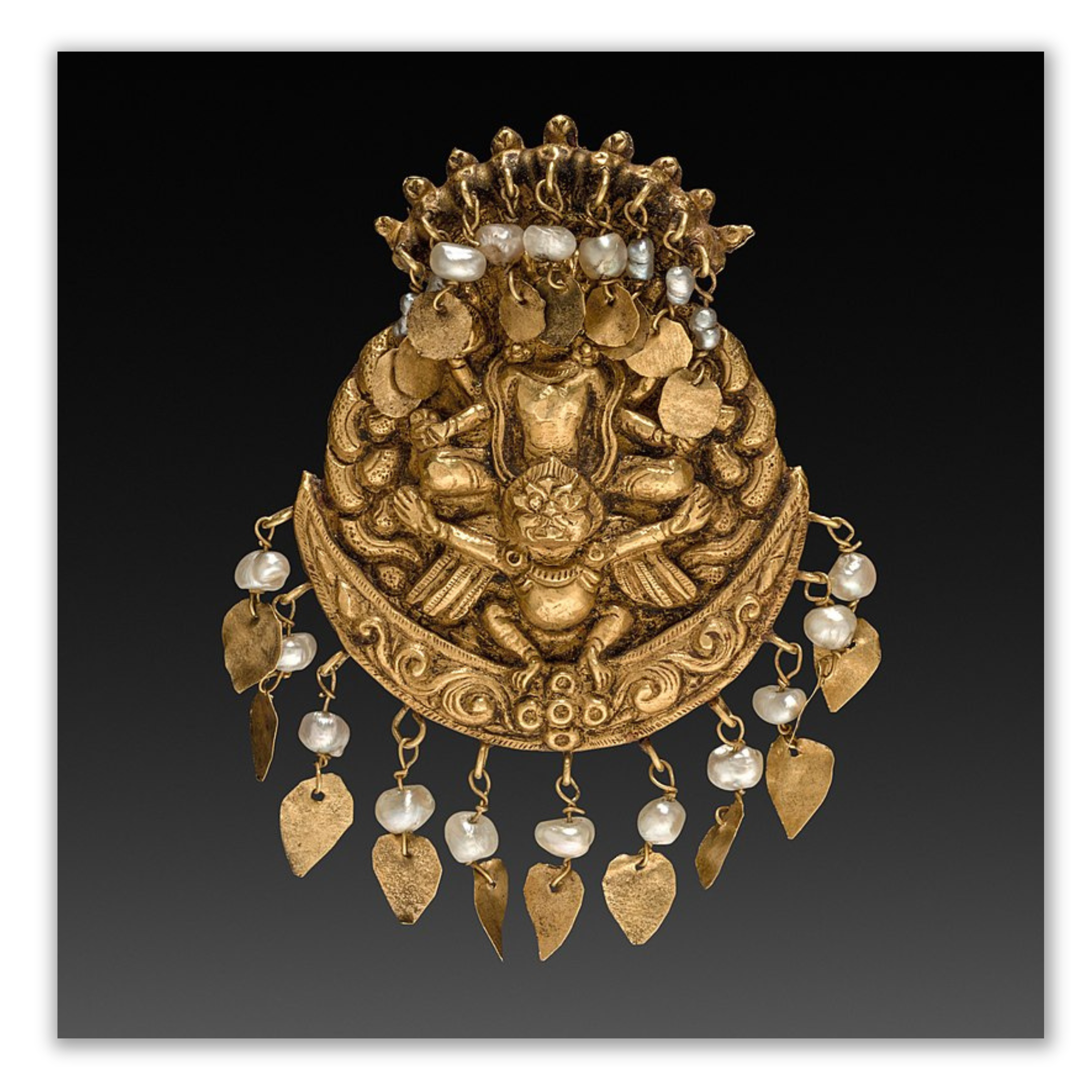
Fine Art Jewelry

Kunstschmuck

Herrenschmuck Du liest Kunstschmuck 8 Minuten Weiter Antiker Schmuck

Fine art jewelry is an exquisite form of wearable art that demands a fusion of artistic vision, technical skill, and a profound understanding of materials. Each piece is a testament to the artist's creativity, showcasing their ability to transcend the boundaries of conventional jewelry-making. In this guide, we will take you through the intricate process of creating fine art jewelry, from conceptualization to the finishing touches.  1. Conceptualization Inspiration and Idea Generation The journey of creating fine art jewelry begins with inspiration. This can be drawn from a myriad of sources - nature, personal experiences, emotions, societal issues, or abstract concepts. Artists often keep sketchbooks or journals to capture fleeting moments of inspiration.  Theme and Narrative Once inspired, the artist develops a theme or narrative for the piece. This could be a story, a message, an emotion, or an exploration of a specific concept. The chosen theme will guide all subsequent decisions in the creation process.  2. Material Selection Exploring Unconventional Materials Fine art jewelry often incorporates a wide range of materials beyond the traditional metals and gemstones. This can include wood, glass, ceramics, plastics, textiles, and even found objects. The choice of materials is integral to the piece's conceptual and aesthetic impact.  Consideration of Material Properties Artists must understand the properties of the chosen materials - their durability, malleability, color, texture, and how they interact with other elements in the piece. This knowledge ensures that the materials serve the artistic vision effectively.  3. Techniques and Execution Traditional and Experimental Techniques Fine art jewelers are adept in both traditional jewelry-making techniques (e.g., soldering, stone-setting, metal forming) and experimental methods (e.g., enameling, filigree, mixed-media assemblage). The choice of technique depends on the desired outcome and the compatibility with selected materials.  Attention to Detail Fine art jewelry demands precision and attention to detail. Each component of the piece must be meticulously crafted to align with the artist's vision. This includes considerations for symmetry, proportions, and surface finishes.  4. Concept Integration Weaving the Concept into the Design Throughout the creation process, the artist continually references the initial concept and narrative. Every design decision - from the arrangement of elements to the choice of colors and textures - should serve to convey or enhance the intended message or emotion.  5. Finishing and Presentation Surface Treatments The finishing touches are crucial in fine art jewelry. Surface treatments such as polishing, patination, or texturing can dramatically impact the visual and tactile qualities of the piece.  Presentation and Display How a piece is presented significantly influences how it is perceived. Artists carefully consider how the jewelry will be worn or displayed, ensuring it complements the wearer or the environment in which it is showcased.  6. Reflection and Refinement Critical Evaluation Once the piece is complete, the artist engages in a critical evaluation. They assess how effectively the piece communicates the intended concept and if any adjustments are necessary.  Iterative Process Fine art jewelry often involves a series of iterations. Artists may revisit and refine their designs, applying new techniques or exploring different materials to further develop their artistic voice.  7. Documentation and Communication Recording the Process Many artists document their creative process through sketches, photographs, or written reflections. This documentation serves as a record of the evolution of the piece and can be valuable for future reference or for sharing the artistic journey with others.  Creating fine art jewelry is a deeply personal and expressive endeavor. It requires a profound connection to the chosen materials, a mastery of techniques, and a commitment to the conceptual foundation of the piece. The result is not just an accessory, but a tangible embodiment of the artist's creativity and vision, inviting the viewer to engage with the world in new and profound ways.

Was ist Feinendkunstschmuck / Einführung und Leitfaden:

Emerald Mother Of Pearl Diamond Gold Taj Earrings by 1stDibs

Emerald Mother Of Pearl Diamond Gold Taj Ohrringe von 1stDibs

Feinendkunstschmuck repräsentiert eine harmonische Verbindung von künstlerischem Ausdruck, kunstvoller Handwerkskunst und zeitloser Schönheit edler Materialien. Im Gegensatz zu herkömmlichem Schmuck, der sich hauptsächlich auf den intrinsischen Wert von Edelsteinen und Metallen konzentriert, legt Feinendkunstschmuck besonderen Wert auf die ästhetischen, konzeptuellen und emotionalen Aspekte des Stücks. In diesem umfassenden Leitfaden tauchen wir in die faszinierende Welt des Feinendkunstschmucks ein, erforschen seine Geschichte, Merkmale, herausragende Künstler und den komplexen Herstellungsprozess.

Verstehen von Feinendkunstschmuck

Feinendkunstschmuck geht über das traditionelle Schmuckdesign hinaus. Es ist eine Verbindung aus künstlerischem Ausdruck, herausragender Handwerkskunst und dem Reiz edler Materialien. Im Gegensatz zu herkömmlichem Schmuck, der oft den intrinsischen Wert von Edelsteinen und Metallen hervorhebt, legt Feinendkunstschmuck großen Wert auf die konzeptuellen, emotionalen und ästhetischen Dimensionen des Stücks. In diesem umfassenden Leitfaden tauchen wir in die faszinierende Welt des Feinendkunstschmucks ein, untersuchen seine Essenz, Merkmale, bedeutende Künstler und den aufwändigen Herstellungsprozess.

Definition von Feinendkunstschmuck:

Feinendkunstschmuck befindet sich an der Schnittstelle von künstlerischer Vision und technischem Können. Es beinhaltet die Schaffung tragbarer Kunstwerke, die nicht nur ästhetisch atemberaubend, sondern auch konzeptuell tiefgründig sind. Künstler, die Feinendkunstschmuck schaffen, sind nicht nur versierte Goldschmiede, sondern auch talentierte Künstler, die ihre Meisterschaft in traditionellen Schmuckherstellungstechniken nahtlos mit einem tiefen Verständnis für Designprinzipien und Ästhetik verbinden.

Ein Abschied vom konventionellen Schmuck

Während herkömmlicher Schmuck oft den monetären Wert der Materialien betont, setzt Feinendkunstschmuck Prioritäten bei der künstlerischen Idee und der konzeptuellen Tiefe des Stücks. Jedes Werk ist einzigartig und trägt eine Geschichte, eine Emotion oder eine tiefgründige Idee in sich. Es fordert die Grenzen dessen heraus, was Schmuck sein kann, und treibt Kreativität und Innovation voran.

Fine art jewelry is an exquisite form of wearable art that demands a fusion of artistic vision, technical skill, and a profound understanding of materials. Each piece is a testament to the artist's creativity, showcasing their ability to transcend the boundaries of conventional jewelry-making. In this guide, we will take you through the intricate process of creating fine art jewelry, from conceptualization to the finishing touches.  1. Conceptualization Inspiration and Idea Generation The journey of creating fine art jewelry begins with inspiration. This can be drawn from a myriad of sources - nature, personal experiences, emotions, societal issues, or abstract concepts. Artists often keep sketchbooks or journals to capture fleeting moments of inspiration.  Theme and Narrative Once inspired, the artist develops a theme or narrative for the piece. This could be a story, a message, an emotion, or an exploration of a specific concept. The chosen theme will guide all subsequent decisions in the creation process.  2. Material Selection Exploring Unconventional Materials Fine art jewelry often incorporates a wide range of materials beyond the traditional metals and gemstones. This can include wood, glass, ceramics, plastics, textiles, and even found objects. The choice of materials is integral to the piece's conceptual and aesthetic impact.  Consideration of Material Properties Artists must understand the properties of the chosen materials - their durability, malleability, color, texture, and how they interact with other elements in the piece. This knowledge ensures that the materials serve the artistic vision effectively.  3. Techniques and Execution Traditional and Experimental Techniques Fine art jewelers are adept in both traditional jewelry-making techniques (e.g., soldering, stone-setting, metal forming) and experimental methods (e.g., enameling, filigree, mixed-media assemblage). The choice of technique depends on the desired outcome and the compatibility with selected materials.  Attention to Detail Fine art jewelry demands precision and attention to detail. Each component of the piece must be meticulously crafted to align with the artist's vision. This includes considerations for symmetry, proportions, and surface finishes.  4. Concept Integration Weaving the Concept into the Design Throughout the creation process, the artist continually references the initial concept and narrative. Every design decision - from the arrangement of elements to the choice of colors and textures - should serve to convey or enhance the intended message or emotion.  5. Finishing and Presentation Surface Treatments The finishing touches are crucial in fine art jewelry. Surface treatments such as polishing, patination, or texturing can dramatically impact the visual and tactile qualities of the piece.  Presentation and Display How a piece is presented significantly influences how it is perceived. Artists carefully consider how the jewelry will be worn or displayed, ensuring it complements the wearer or the environment in which it is showcased.  6. Reflection and Refinement Critical Evaluation Once the piece is complete, the artist engages in a critical evaluation. They assess how effectively the piece communicates the intended concept and if any adjustments are necessary.  Iterative Process Fine art jewelry often involves a series of iterations. Artists may revisit and refine their designs, applying new techniques or exploring different materials to further develop their artistic voice.  7. Documentation and Communication Recording the Process Many artists document their creative process through sketches, photographs, or written reflections. This documentation serves as a record of the evolution of the piece and can be valuable for future reference or for sharing the artistic journey with others.  Creating fine art jewelry is a deeply personal and expressive endeavor. It requires a profound connection to the chosen materials, a mastery of techniques, and a commitment to the conceptual foundation of the piece. The result is not just an accessory, but a tangible embodiment of the artist's creativity and vision, inviting the viewer to engage with the world in new and profound ways.

Merkmale von Feinendkunstschmuck:

Laguna Beach Jewelry Designer by Adam Neeley

Laguna Beach Schmuckdesigner von Adam Neeley

Innovatives Design

Feinendkunstschmuck ist bekannt für seine innovativen und oft unkonventionellen Designs. Künstler in diesem Bereich sind nicht an Traditionen gebunden; sie experimentieren mit Materialien, Techniken und Formen, um Stücke zu schaffen, die sowohl visuell beeindruckend als auch intellektuell anregend sind.

Konzeptuelle Tiefe

Jedes Stück Feinendkunstschmuck basiert auf einer Erzählung, einem Konzept oder einem Thema. Dieser konzeptuelle Rahmen verleiht dem Werk eine zusätzliche Bedeutungsebene und lädt den Betrachter ein, tiefer in die Geschichte hinter dem Stück einzutauchen.

Limitierte Auflage oder Unikat

Feinendkunstschmuck wird üblicherweise in begrenzten Stückzahlen oder als Unikate hergestellt. Diese Exklusivität steigert den Wert und die Bedeutung jedes einzelnen Stücks.

Fine art jewelry is an exquisite form of wearable art that demands a fusion of artistic vision, technical skill, and a profound understanding of materials. Each piece is a testament to the artist's creativity, showcasing their ability to transcend the boundaries of conventional jewelry-making. In this guide, we will take you through the intricate process of creating fine art jewelry, from conceptualization to the finishing touches.  1. Conceptualization Inspiration and Idea Generation The journey of creating fine art jewelry begins with inspiration. This can be drawn from a myriad of sources - nature, personal experiences, emotions, societal issues, or abstract concepts. Artists often keep sketchbooks or journals to capture fleeting moments of inspiration.  Theme and Narrative Once inspired, the artist develops a theme or narrative for the piece. This could be a story, a message, an emotion, or an exploration of a specific concept. The chosen theme will guide all subsequent decisions in the creation process.  2. Material Selection Exploring Unconventional Materials Fine art jewelry often incorporates a wide range of materials beyond the traditional metals and gemstones. This can include wood, glass, ceramics, plastics, textiles, and even found objects. The choice of materials is integral to the piece's conceptual and aesthetic impact.  Consideration of Material Properties Artists must understand the properties of the chosen materials - their durability, malleability, color, texture, and how they interact with other elements in the piece. This knowledge ensures that the materials serve the artistic vision effectively.  3. Techniques and Execution Traditional and Experimental Techniques Fine art jewelers are adept in both traditional jewelry-making techniques (e.g., soldering, stone-setting, metal forming) and experimental methods (e.g., enameling, filigree, mixed-media assemblage). The choice of technique depends on the desired outcome and the compatibility with selected materials.  Attention to Detail Fine art jewelry demands precision and attention to detail. Each component of the piece must be meticulously crafted to align with the artist's vision. This includes considerations for symmetry, proportions, and surface finishes.  4. Concept Integration Weaving the Concept into the Design Throughout the creation process, the artist continually references the initial concept and narrative. Every design decision - from the arrangement of elements to the choice of colors and textures - should serve to convey or enhance the intended message or emotion.  5. Finishing and Presentation Surface Treatments The finishing touches are crucial in fine art jewelry. Surface treatments such as polishing, patination, or texturing can dramatically impact the visual and tactile qualities of the piece.  Presentation and Display How a piece is presented significantly influences how it is perceived. Artists carefully consider how the jewelry will be worn or displayed, ensuring it complements the wearer or the environment in which it is showcased.  6. Reflection and Refinement Critical Evaluation Once the piece is complete, the artist engages in a critical evaluation. They assess how effectively the piece communicates the intended concept and if any adjustments are necessary.  Iterative Process Fine art jewelry often involves a series of iterations. Artists may revisit and refine their designs, applying new techniques or exploring different materials to further develop their artistic voice.  7. Documentation and Communication Recording the Process Many artists document their creative process through sketches, photographs, or written reflections. This documentation serves as a record of the evolution of the piece and can be valuable for future reference or for sharing the artistic journey with others.  Creating fine art jewelry is a deeply personal and expressive endeavor. It requires a profound connection to the chosen materials, a mastery of techniques, and a commitment to the conceptual foundation of the piece. The result is not just an accessory, but a tangible embodiment of the artist's creativity and vision, inviting the viewer to engage with the world in new and profound ways.

Ein Blick in die Geschichte:

Ursprünge des Feinendkunstschmucks

Feinendkunstschmuck hat antike Wurzeln, mit Zivilisationen wie den Ägyptern, Griechen und Römern, die sich mit kunstvollen Schmuckstücken schmückten, die oft symbolische oder religiöse Bedeutung trugen. Das moderne Konzept des Feinendkunstschmucks entstand jedoch im 20. Jahrhundert mit dem Aufkommen künstlerischer Bewegungen wie Jugendstil und Art Deco.

Kunstbewegungen und Fein Schmuck

  • Jugendstil (Ende 19. bis Anfang 20. Jahrhundert): Berühmt für ihre organischen, fließenden Formen, inspiriert von der Natur, hat der Jugendstil die Schmuckgestaltung stark beeinflusst und Stücke hervorgebracht, die die Schönheit der natürlichen Welt widerspiegeln.

  • Art Deco (1920er bis 1930er Jahre): Charakterisiert durch geometrische Formen, kräftige Farben und ein Gefühl von Opulenz spiegelte der Art Deco Schmuck den Glamour und die Raffinesse der Roaring Twenties wider.

Fine art jewelry is an exquisite form of wearable art that demands a fusion of artistic vision, technical skill, and a profound understanding of materials. Each piece is a testament to the artist's creativity, showcasing their ability to transcend the boundaries of conventional jewelry-making. In this guide, we will take you through the intricate process of creating fine art jewelry, from conceptualization to the finishing touches.  1. Conceptualization Inspiration and Idea Generation The journey of creating fine art jewelry begins with inspiration. This can be drawn from a myriad of sources - nature, personal experiences, emotions, societal issues, or abstract concepts. Artists often keep sketchbooks or journals to capture fleeting moments of inspiration.  Theme and Narrative Once inspired, the artist develops a theme or narrative for the piece. This could be a story, a message, an emotion, or an exploration of a specific concept. The chosen theme will guide all subsequent decisions in the creation process.  2. Material Selection Exploring Unconventional Materials Fine art jewelry often incorporates a wide range of materials beyond the traditional metals and gemstones. This can include wood, glass, ceramics, plastics, textiles, and even found objects. The choice of materials is integral to the piece's conceptual and aesthetic impact.  Consideration of Material Properties Artists must understand the properties of the chosen materials - their durability, malleability, color, texture, and how they interact with other elements in the piece. This knowledge ensures that the materials serve the artistic vision effectively.  3. Techniques and Execution Traditional and Experimental Techniques Fine art jewelers are adept in both traditional jewelry-making techniques (e.g., soldering, stone-setting, metal forming) and experimental methods (e.g., enameling, filigree, mixed-media assemblage). The choice of technique depends on the desired outcome and the compatibility with selected materials.  Attention to Detail Fine art jewelry demands precision and attention to detail. Each component of the piece must be meticulously crafted to align with the artist's vision. This includes considerations for symmetry, proportions, and surface finishes.  4. Concept Integration Weaving the Concept into the Design Throughout the creation process, the artist continually references the initial concept and narrative. Every design decision - from the arrangement of elements to the choice of colors and textures - should serve to convey or enhance the intended message or emotion.  5. Finishing and Presentation Surface Treatments The finishing touches are crucial in fine art jewelry. Surface treatments such as polishing, patination, or texturing can dramatically impact the visual and tactile qualities of the piece.  Presentation and Display How a piece is presented significantly influences how it is perceived. Artists carefully consider how the jewelry will be worn or displayed, ensuring it complements the wearer or the environment in which it is showcased.  6. Reflection and Refinement Critical Evaluation Once the piece is complete, the artist engages in a critical evaluation. They assess how effectively the piece communicates the intended concept and if any adjustments are necessary.  Iterative Process Fine art jewelry often involves a series of iterations. Artists may revisit and refine their designs, applying new techniques or exploring different materials to further develop their artistic voice.  7. Documentation and Communication Recording the Process Many artists document their creative process through sketches, photographs, or written reflections. This documentation serves as a record of the evolution of the piece and can be valuable for future reference or for sharing the artistic journey with others.  Creating fine art jewelry is a deeply personal and expressive endeavor. It requires a profound connection to the chosen materials, a mastery of techniques, and a commitment to the conceptual foundation of the piece. The result is not just an accessory, but a tangible embodiment of the artist's creativity and vision, inviting the viewer to engage with the world in new and profound ways.

Bemerkenswerte Künstler und Bewegungen:

René Lalique

René-Lalique verre et citrine Chantecler

René Lalique Glas und Citrin Chantecler

Ein Pionier des Jugendstils, Laliques' Kreationen zeichneten sich durch filigrane, von der Natur inspirierte Designs aus, häufig unter Verwendung von Materialien wie Glas und Emaille.

Alexander Calder

brass wire bracelet by Alexander Calder (1898-1976)

Messingdraht-Armband von Alexander Calder (1898–1976)

Bekannt für seine Mobile-Skulpturen, wagte Calder sich auch an tragbare Kunstwerke und verwischte die Grenzen zwischen Skulptur und Schmuck.

Art Smith

Craft in America - Artist - art-smith

Eine führende Figur in der amerikanischen Studio-Schmuckbewegung, Smiths avantgardistische Designs stellten herkömmliche Schmuckkonzepte in Frage.

Studio-Schmuckbewegung

Mitte des 20. Jahrhunderts entstanden, betonte diese Bewegung den Künstler als Schöpfer und Handwerker gleichermaßen und förderte einen persönlicheren und künstlerischeren Ansatz bei der Schmuckherstellung.

Fine art jewelry is an exquisite form of wearable art that demands a fusion of artistic vision, technical skill, and a profound understanding of materials. Each piece is a testament to the artist's creativity, showcasing their ability to transcend the boundaries of conventional jewelry-making. In this guide, we will take you through the intricate process of creating fine art jewelry, from conceptualization to the finishing touches.  1. Conceptualization Inspiration and Idea Generation The journey of creating fine art jewelry begins with inspiration. This can be drawn from a myriad of sources - nature, personal experiences, emotions, societal issues, or abstract concepts. Artists often keep sketchbooks or journals to capture fleeting moments of inspiration.  Theme and Narrative Once inspired, the artist develops a theme or narrative for the piece. This could be a story, a message, an emotion, or an exploration of a specific concept. The chosen theme will guide all subsequent decisions in the creation process.  2. Material Selection Exploring Unconventional Materials Fine art jewelry often incorporates a wide range of materials beyond the traditional metals and gemstones. This can include wood, glass, ceramics, plastics, textiles, and even found objects. The choice of materials is integral to the piece's conceptual and aesthetic impact.  Consideration of Material Properties Artists must understand the properties of the chosen materials - their durability, malleability, color, texture, and how they interact with other elements in the piece. This knowledge ensures that the materials serve the artistic vision effectively.  3. Techniques and Execution Traditional and Experimental Techniques Fine art jewelers are adept in both traditional jewelry-making techniques (e.g., soldering, stone-setting, metal forming) and experimental methods (e.g., enameling, filigree, mixed-media assemblage). The choice of technique depends on the desired outcome and the compatibility with selected materials.  Attention to Detail Fine art jewelry demands precision and attention to detail. Each component of the piece must be meticulously crafted to align with the artist's vision. This includes considerations for symmetry, proportions, and surface finishes.  4. Concept Integration Weaving the Concept into the Design Throughout the creation process, the artist continually references the initial concept and narrative. Every design decision - from the arrangement of elements to the choice of colors and textures - should serve to convey or enhance the intended message or emotion.  5. Finishing and Presentation Surface Treatments The finishing touches are crucial in fine art jewelry. Surface treatments such as polishing, patination, or texturing can dramatically impact the visual and tactile qualities of the piece.  Presentation and Display How a piece is presented significantly influences how it is perceived. Artists carefully consider how the jewelry will be worn or displayed, ensuring it complements the wearer or the environment in which it is showcased.  6. Reflection and Refinement Critical Evaluation Once the piece is complete, the artist engages in a critical evaluation. They assess how effectively the piece communicates the intended concept and if any adjustments are necessary.  Iterative Process Fine art jewelry often involves a series of iterations. Artists may revisit and refine their designs, applying new techniques or exploring different materials to further develop their artistic voice.  7. Documentation and Communication Recording the Process Many artists document their creative process through sketches, photographs, or written reflections. This documentation serves as a record of the evolution of the piece and can be valuable for future reference or for sharing the artistic journey with others.  Creating fine art jewelry is a deeply personal and expressive endeavor. It requires a profound connection to the chosen materials, a mastery of techniques, and a commitment to the conceptual foundation of the piece. The result is not just an accessory, but a tangible embodiment of the artist's creativity and vision, inviting the viewer to engage with the world in new and profound ways.

Herstellung von Fein Schmuck: Der Prozess

Natural Green Colombian Emerald Diamond Cascade Drop Earrings by 1stDibs

Natürliche grüne kolumbianische Smaragd-Diamantenkaskadendrop-Ohrringe von 1stDibs

Fein Schmuck ist eine exquisite Form tragbarer Kunst, die eine Verschmelzung von künstlerischer Vision, technischem Können und tiefem Materialverständnis erfordert. Jedes Stück ist ein Beweis für die Kreativität des Künstlers und zeigt seine Fähigkeit, die Grenzen der herkömmlichen Schmuckherstellung zu überschreiten. In diesem Leitfaden führen wir Sie durch den komplexen Prozess der Herstellung von Fein Schmuck, von der Konzeption bis zu den letzten Schliffen.

1. Konzeption

Inspiration und Ideenfindung

Der Kreationsprozess für Fein Schmuck beginnt mit Inspiration. Diese kann aus vielfältigen Quellen stammen – Natur, persönliche Erfahrungen, Emotionen, gesellschaftliche Themen oder abstrakte Konzepte. Künstler führen oft Skizzenbücher oder Tagebücher, um flüchtige Momente der Inspiration festzuhalten.

Thema und Narrativ

Nach der Inspiration entwickelt der Künstler ein Thema oder eine Erzählung für das Stück. Dies kann eine Geschichte, eine Botschaft, ein Gefühl oder eine Erkundung eines bestimmten Konzepts sein. Das gewählte Thema bestimmt alle nachfolgenden Entscheidungen im Herstellungsprozess.

2. Materialauswahl

Erkundung unkonventioneller Materialien

Fein Schmuck integriert oft eine Vielzahl an Materialien jenseits der traditionellen Metalle und Edelsteine. Dazu können Holz, Glas, Keramik, Kunststoffe, Textilien und sogar gefundene Objekte gehören. Die Auswahl der Materialien ist wesentlich für den konzeptuellen und ästhetischen Ausdruck des Stücks.

Berücksichtigung der Materialeigenschaften

Künstler müssen die Eigenschaften der gewählten Materialien verstehen – ihre Haltbarkeit, Formbarkeit, Farbe, Textur und wie sie mit anderen Elementen im Werk interagieren. Dieses Wissen stellt sicher, dass die Materialien die künstlerische Vision effektiv unterstützen.

3. Techniken und Umsetzung

Traditionelle und experimentelle Techniken

Fein Schmuckkünstler beherrschen sowohl traditionelle Schmuckherstellungstechniken (z.B. Löten, Fassungen, Metallformen) als auch experimentelle Methoden (z.B. Emaille, Filigranarbeit, Mixed-Media-Assemblagen). Die Wahl der Technik hängt vom gewünschten Ergebnis und der Kompatibilität mit den ausgewählten Materialien ab.

Details beachten

Edelkunstschmuck erfordert Präzision und Liebe zum Detail. Jeder Bestandteil des Stücks muss sorgfältig gefertigt werden, um die Vision des Künstlers zu erfüllen. Dazu gehören Überlegungen zu Symmetrie, Proportionen und Oberflächenbeschaffenheit.

4. Konzeptintegration

Im gesamten Herstellungsprozess bezieht sich der Künstler ständig auf das ursprüngliche Konzept und die Narrative. Jede Designentscheidung – von der Anordnung der Elemente bis zur Wahl der Farben und Texturen – sollte dazu dienen, die beabsichtigte Botschaft oder Emotion zu vermitteln oder zu verstärken.

5. Fertigstellung und Präsentation

Ruby, Black & White Diamond Earrings by Adam Neeley

Rubin-, Schwarz- und Weiß-Diamant-Ohrringe von Adam Neeley

Oberflächenbehandlung

Die letzten Schliffe sind bei Edelkunstschmuck entscheidend. Oberflächenbehandlungen wie Polieren, Patinieren oder Texturierung können die visuelle und haptische Qualität des Stücks erheblich beeinflussen.

Präsentation und Ausstellung

Wie ein Stück präsentiert wird, beeinflusst maßgeblich die Wahrnehmung. Künstler überlegen sorgfältig, wie der Schmuck getragen oder ausgestellt wird, um den Träger oder die Umgebung, in der er gezeigt wird, optimal zu ergänzen.

6. Reflexion und Verfeinerung

Kritische Bewertung

Nachdem das Stück fertiggestellt ist, führt der Künstler eine kritische Bewertung durch. Er beurteilt, wie effektiv das Stück die beabsichtigte Botschaft vermittelt und ob Anpassungen erforderlich sind.

Iterativer Prozess

Edelkunstschmuck ist oft eine Serie von Iterationen. Künstler können ihre Designs überarbeiten und verfeinern, dabei neue Techniken anwenden oder verschiedene Materialien erkunden, um ihre künstlerische Stimme weiterzuentwickeln.

7. Dokumentation und Kommunikation

Viele Künstler dokumentieren ihren kreativen Prozess durch Skizzen, Fotografien oder schriftliche Reflexionen. Diese Dokumentation dient als Nachweis der Entwicklung des Stücks und kann für zukünftige Referenzen oder die Weitergabe des künstlerischen Weges wertvoll sein.

Die Herstellung von Edelkunstschmuck ist ein zutiefst persönliches und ausdrucksstarkes Unterfangen. Es erfordert eine tiefe Verbindung zu den gewählten Materialien, Meisterschaft in den Techniken und ein Engagement für die konzeptionelle Grundlage des Stücks. Das Ergebnis ist nicht nur ein Accessoire, sondern eine greifbare Verkörperung der Kreativität und Vision des Künstlers, die den Betrachter dazu einlädt, sich auf neue und tiefgründige Weise mit der Welt auseinanderzusetzen.

Fine art jewelry is an exquisite form of wearable art that demands a fusion of artistic vision, technical skill, and a profound understanding of materials. Each piece is a testament to the artist's creativity, showcasing their ability to transcend the boundaries of conventional jewelry-making. In this guide, we will take you through the intricate process of creating fine art jewelry, from conceptualization to the finishing touches.  1. Conceptualization Inspiration and Idea Generation The journey of creating fine art jewelry begins with inspiration. This can be drawn from a myriad of sources - nature, personal experiences, emotions, societal issues, or abstract concepts. Artists often keep sketchbooks or journals to capture fleeting moments of inspiration.  Theme and Narrative Once inspired, the artist develops a theme or narrative for the piece. This could be a story, a message, an emotion, or an exploration of a specific concept. The chosen theme will guide all subsequent decisions in the creation process.  2. Material Selection Exploring Unconventional Materials Fine art jewelry often incorporates a wide range of materials beyond the traditional metals and gemstones. This can include wood, glass, ceramics, plastics, textiles, and even found objects. The choice of materials is integral to the piece's conceptual and aesthetic impact.  Consideration of Material Properties Artists must understand the properties of the chosen materials - their durability, malleability, color, texture, and how they interact with other elements in the piece. This knowledge ensures that the materials serve the artistic vision effectively.  3. Techniques and Execution Traditional and Experimental Techniques Fine art jewelers are adept in both traditional jewelry-making techniques (e.g., soldering, stone-setting, metal forming) and experimental methods (e.g., enameling, filigree, mixed-media assemblage). The choice of technique depends on the desired outcome and the compatibility with selected materials.  Attention to Detail Fine art jewelry demands precision and attention to detail. Each component of the piece must be meticulously crafted to align with the artist's vision. This includes considerations for symmetry, proportions, and surface finishes.  4. Concept Integration Weaving the Concept into the Design Throughout the creation process, the artist continually references the initial concept and narrative. Every design decision - from the arrangement of elements to the choice of colors and textures - should serve to convey or enhance the intended message or emotion.  5. Finishing and Presentation Surface Treatments The finishing touches are crucial in fine art jewelry. Surface treatments such as polishing, patination, or texturing can dramatically impact the visual and tactile qualities of the piece.  Presentation and Display How a piece is presented significantly influences how it is perceived. Artists carefully consider how the jewelry will be worn or displayed, ensuring it complements the wearer or the environment in which it is showcased.  6. Reflection and Refinement Critical Evaluation Once the piece is complete, the artist engages in a critical evaluation. They assess how effectively the piece communicates the intended concept and if any adjustments are necessary.  Iterative Process Fine art jewelry often involves a series of iterations. Artists may revisit and refine their designs, applying new techniques or exploring different materials to further develop their artistic voice.  7. Documentation and Communication Recording the Process Many artists document their creative process through sketches, photographs, or written reflections. This documentation serves as a record of the evolution of the piece and can be valuable for future reference or for sharing the artistic journey with others.  Creating fine art jewelry is a deeply personal and expressive endeavor. It requires a profound connection to the chosen materials, a mastery of techniques, and a commitment to the conceptual foundation of the piece. The result is not just an accessory, but a tangible embodiment of the artist's creativity and vision, inviting the viewer to engage with the world in new and profound ways.

Sammlung und Wertschätzung von Edelkunstschmuck

Eine Sammlung aufbauen

Das Sammeln von Edelkunstschmuck erfordert ein scharfes Auge, eine tiefe Wertschätzung für künstlerischen Ausdruck und die Bereitschaft, aufstrebende Künstler und Bewegungen zu erforschen.

Ausstellungen und Galerien

Kunstgalerien und Ausstellungen zeigen oft die Arbeiten von Edelkunstschmuck-Designern. Der Besuch dieser Veranstaltungen bietet die Gelegenheit, mit den Künstlern in Kontakt zu treten, Einblicke in ihre kreativen Prozesse zu gewinnen und neue Stücke zu entdecken.

Bewertung und Investition

Obwohl Edelkunstschmuck an Wert gewinnen kann, sollte man ihn eher als eine Form künstlerischen Ausdrucks betrachten als als reine finanzielle Investition. Recherchen zum Hintergrund des Künstlers, Ausstellungsgeschichte und Kritiken können dabei helfen, den Wert des Stücks einzuschätzen.

Fine art jewelry is an exquisite form of wearable art that demands a fusion of artistic vision, technical skill, and a profound understanding of materials. Each piece is a testament to the artist's creativity, showcasing their ability to transcend the boundaries of conventional jewelry-making. In this guide, we will take you through the intricate process of creating fine art jewelry, from conceptualization to the finishing touches.  1. Conceptualization Inspiration and Idea Generation The journey of creating fine art jewelry begins with inspiration. This can be drawn from a myriad of sources - nature, personal experiences, emotions, societal issues, or abstract concepts. Artists often keep sketchbooks or journals to capture fleeting moments of inspiration.  Theme and Narrative Once inspired, the artist develops a theme or narrative for the piece. This could be a story, a message, an emotion, or an exploration of a specific concept. The chosen theme will guide all subsequent decisions in the creation process.  2. Material Selection Exploring Unconventional Materials Fine art jewelry often incorporates a wide range of materials beyond the traditional metals and gemstones. This can include wood, glass, ceramics, plastics, textiles, and even found objects. The choice of materials is integral to the piece's conceptual and aesthetic impact.  Consideration of Material Properties Artists must understand the properties of the chosen materials - their durability, malleability, color, texture, and how they interact with other elements in the piece. This knowledge ensures that the materials serve the artistic vision effectively.  3. Techniques and Execution Traditional and Experimental Techniques Fine art jewelers are adept in both traditional jewelry-making techniques (e.g., soldering, stone-setting, metal forming) and experimental methods (e.g., enameling, filigree, mixed-media assemblage). The choice of technique depends on the desired outcome and the compatibility with selected materials.  Attention to Detail Fine art jewelry demands precision and attention to detail. Each component of the piece must be meticulously crafted to align with the artist's vision. This includes considerations for symmetry, proportions, and surface finishes.  4. Concept Integration Weaving the Concept into the Design Throughout the creation process, the artist continually references the initial concept and narrative. Every design decision - from the arrangement of elements to the choice of colors and textures - should serve to convey or enhance the intended message or emotion.  5. Finishing and Presentation Surface Treatments The finishing touches are crucial in fine art jewelry. Surface treatments such as polishing, patination, or texturing can dramatically impact the visual and tactile qualities of the piece.  Presentation and Display How a piece is presented significantly influences how it is perceived. Artists carefully consider how the jewelry will be worn or displayed, ensuring it complements the wearer or the environment in which it is showcased.  6. Reflection and Refinement Critical Evaluation Once the piece is complete, the artist engages in a critical evaluation. They assess how effectively the piece communicates the intended concept and if any adjustments are necessary.  Iterative Process Fine art jewelry often involves a series of iterations. Artists may revisit and refine their designs, applying new techniques or exploring different materials to further develop their artistic voice.  7. Documentation and Communication Recording the Process Many artists document their creative process through sketches, photographs, or written reflections. This documentation serves as a record of the evolution of the piece and can be valuable for future reference or for sharing the artistic journey with others.  Creating fine art jewelry is a deeply personal and expressive endeavor. It requires a profound connection to the chosen materials, a mastery of techniques, and a commitment to the conceptual foundation of the piece. The result is not just an accessory, but a tangible embodiment of the artist's creativity and vision, inviting the viewer to engage with the world in new and profound ways.

Fazit

Edelkunstschmuck ist ein Beweis für die grenzenlose Kreativität und künstlerische Vision seiner Schöpfer. Er stellt Konventionen in Frage, verwischt die Grenzen zwischen Kunst und Schmuck und lädt uns ein, uns auf neue und tiefgründige Weise mit der Welt auseinanderzusetzen. Ob Sie ein begeisterter Sammler, ein aufstrebender Künstler oder einfach ein Bewunderer der Schönheit sind – Edelkunstschmuck bietet eine faszinierende Reise in die Welt tragbarer Kunst.