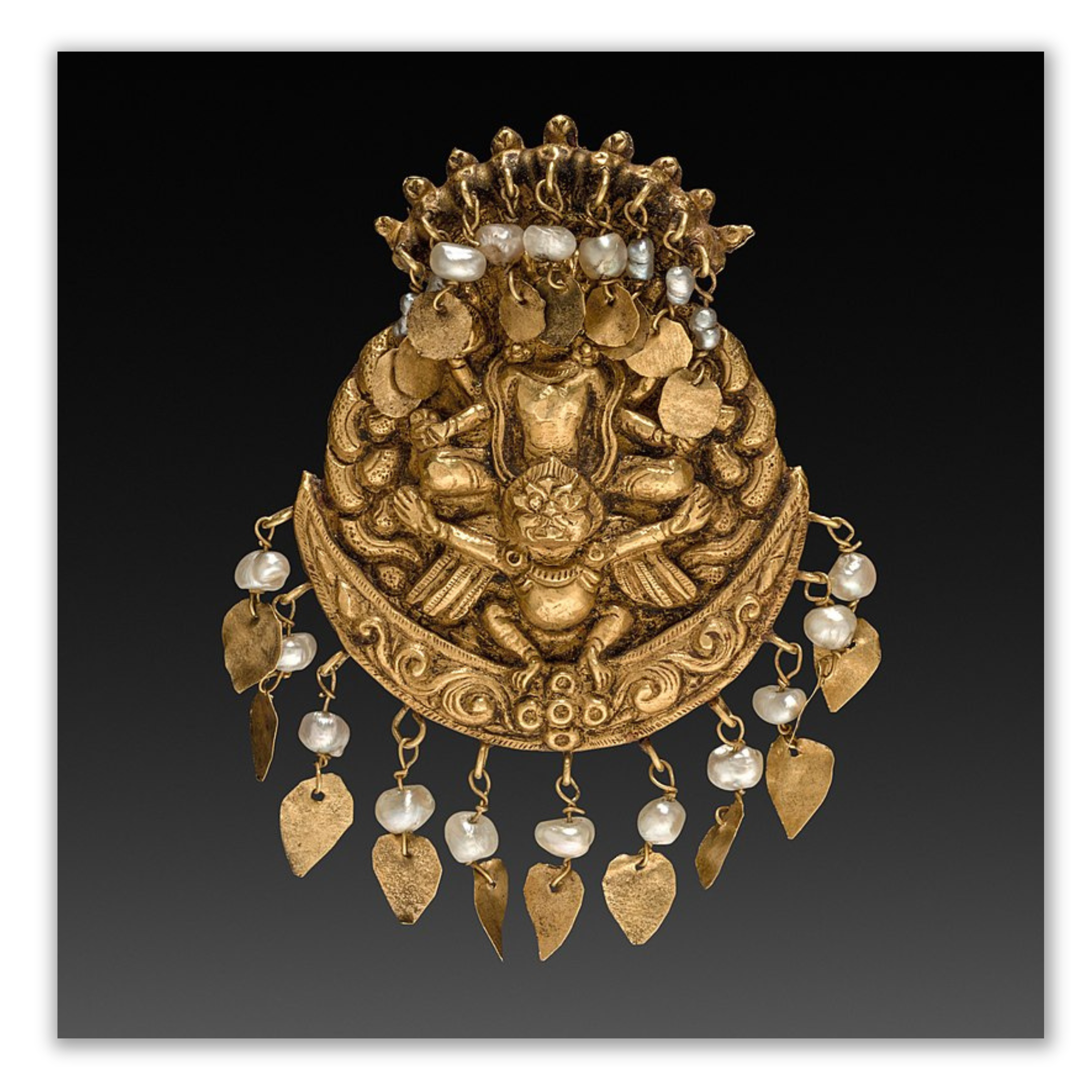
Fine Art Jewelry

Bijoux d'art fin

Bijoux pour hommes Vous lisez Bijoux d'art fin 10 minutes Suivant Bijoux anciens

Fine art jewelry is an exquisite form of wearable art that demands a fusion of artistic vision, technical skill, and a profound understanding of materials. Each piece is a testament to the artist's creativity, showcasing their ability to transcend the boundaries of conventional jewelry-making. In this guide, we will take you through the intricate process of creating fine art jewelry, from conceptualization to the finishing touches.  1. Conceptualization Inspiration and Idea Generation The journey of creating fine art jewelry begins with inspiration. This can be drawn from a myriad of sources - nature, personal experiences, emotions, societal issues, or abstract concepts. Artists often keep sketchbooks or journals to capture fleeting moments of inspiration.  Theme and Narrative Once inspired, the artist develops a theme or narrative for the piece. This could be a story, a message, an emotion, or an exploration of a specific concept. The chosen theme will guide all subsequent decisions in the creation process.  2. Material Selection Exploring Unconventional Materials Fine art jewelry often incorporates a wide range of materials beyond the traditional metals and gemstones. This can include wood, glass, ceramics, plastics, textiles, and even found objects. The choice of materials is integral to the piece's conceptual and aesthetic impact.  Consideration of Material Properties Artists must understand the properties of the chosen materials - their durability, malleability, color, texture, and how they interact with other elements in the piece. This knowledge ensures that the materials serve the artistic vision effectively.  3. Techniques and Execution Traditional and Experimental Techniques Fine art jewelers are adept in both traditional jewelry-making techniques (e.g., soldering, stone-setting, metal forming) and experimental methods (e.g., enameling, filigree, mixed-media assemblage). The choice of technique depends on the desired outcome and the compatibility with selected materials.  Attention to Detail Fine art jewelry demands precision and attention to detail. Each component of the piece must be meticulously crafted to align with the artist's vision. This includes considerations for symmetry, proportions, and surface finishes.  4. Concept Integration Weaving the Concept into the Design Throughout the creation process, the artist continually references the initial concept and narrative. Every design decision - from the arrangement of elements to the choice of colors and textures - should serve to convey or enhance the intended message or emotion.  5. Finishing and Presentation Surface Treatments The finishing touches are crucial in fine art jewelry. Surface treatments such as polishing, patination, or texturing can dramatically impact the visual and tactile qualities of the piece.  Presentation and Display How a piece is presented significantly influences how it is perceived. Artists carefully consider how the jewelry will be worn or displayed, ensuring it complements the wearer or the environment in which it is showcased.  6. Reflection and Refinement Critical Evaluation Once the piece is complete, the artist engages in a critical evaluation. They assess how effectively the piece communicates the intended concept and if any adjustments are necessary.  Iterative Process Fine art jewelry often involves a series of iterations. Artists may revisit and refine their designs, applying new techniques or exploring different materials to further develop their artistic voice.  7. Documentation and Communication Recording the Process Many artists document their creative process through sketches, photographs, or written reflections. This documentation serves as a record of the evolution of the piece and can be valuable for future reference or for sharing the artistic journey with others.  Creating fine art jewelry is a deeply personal and expressive endeavor. It requires a profound connection to the chosen materials, a mastery of techniques, and a commitment to the conceptual foundation of the piece. The result is not just an accessory, but a tangible embodiment of the artist's creativity and vision, inviting the viewer to engage with the world in new and profound ways.

Qu'est-ce que la joaillerie d'art / Introduction et guide :

Emerald Mother Of Pearl Diamond Gold Taj Earrings by 1stDibs

Boucles d'oreilles Taj en or, diamant, nacre de mère d'émeraude et perle par 1stDibs

La joaillerie d'art représente une harmonie entre expression artistique, artisanat exquis et la beauté intemporelle des matériaux précieux. Contrairement à la joaillerie conventionnelle, qui met principalement l'accent sur la valeur intrinsèque des pierres précieuses et des métaux, la joaillerie d'art accorde une importance profonde à l'esthétique, aux concepts et aux aspects émotionnels de la pièce. Dans ce guide complet, nous explorerons le monde captivant de la joaillerie d'art, en abordant son histoire, ses caractéristiques, ses artistes notables et le processus complexe de création.

Comprendre la joaillerie d'art

La joaillerie d'art transcende le domaine de l'ornement traditionnel. C'est une union d'expression artistique, d'artisanat exceptionnel et du charme des matériaux précieux. Contrairement à la joaillerie conventionnelle, qui privilégie souvent la valeur intrinsèque des pierres et des métaux, la joaillerie d'art met l'accent sur les dimensions conceptuelles, émotionnelles et esthétiques de la pièce. Dans ce guide complet, nous plongerons dans l'univers captivant de la joaillerie d'art, en explorant son essence, ses caractéristiques, ses artistes remarquables et le processus de création complexe.

Définir la joaillerie d'art :

La joaillerie d'art se situe à l'intersection de la vision artistique et de la compétence technique. Elle consiste en la création de pièces portables qui sont non seulement esthétiquement impressionnantes mais aussi conceptuellement profondes. Les artistes qui pratiquent la joaillerie d'art ne sont pas seulement des joailliers accomplis, mais aussi des artistes, fusionnant habilement leur maîtrise des techniques traditionnelles de la joaillerie avec une compréhension approfondie des principes de design et d'esthétique.

Une rupture avec l'ornement traditionnel

Alors que la joaillerie conventionnelle met souvent l'accent sur la valeur monétaire des matériaux, la joaillerie d'art privilégie la vision artistique et la profondeur conceptuelle de la pièce. Chaque création est unique, portant en elle une histoire, un sentiment ou une idée profonde. Elle repousse les limites de ce que peut être la joaillerie, en innovant constamment dans la créativité.

Fine art jewelry is an exquisite form of wearable art that demands a fusion of artistic vision, technical skill, and a profound understanding of materials. Each piece is a testament to the artist's creativity, showcasing their ability to transcend the boundaries of conventional jewelry-making. In this guide, we will take you through the intricate process of creating fine art jewelry, from conceptualization to the finishing touches.  1. Conceptualization Inspiration and Idea Generation The journey of creating fine art jewelry begins with inspiration. This can be drawn from a myriad of sources - nature, personal experiences, emotions, societal issues, or abstract concepts. Artists often keep sketchbooks or journals to capture fleeting moments of inspiration.  Theme and Narrative Once inspired, the artist develops a theme or narrative for the piece. This could be a story, a message, an emotion, or an exploration of a specific concept. The chosen theme will guide all subsequent decisions in the creation process.  2. Material Selection Exploring Unconventional Materials Fine art jewelry often incorporates a wide range of materials beyond the traditional metals and gemstones. This can include wood, glass, ceramics, plastics, textiles, and even found objects. The choice of materials is integral to the piece's conceptual and aesthetic impact.  Consideration of Material Properties Artists must understand the properties of the chosen materials - their durability, malleability, color, texture, and how they interact with other elements in the piece. This knowledge ensures that the materials serve the artistic vision effectively.  3. Techniques and Execution Traditional and Experimental Techniques Fine art jewelers are adept in both traditional jewelry-making techniques (e.g., soldering, stone-setting, metal forming) and experimental methods (e.g., enameling, filigree, mixed-media assemblage). The choice of technique depends on the desired outcome and the compatibility with selected materials.  Attention to Detail Fine art jewelry demands precision and attention to detail. Each component of the piece must be meticulously crafted to align with the artist's vision. This includes considerations for symmetry, proportions, and surface finishes.  4. Concept Integration Weaving the Concept into the Design Throughout the creation process, the artist continually references the initial concept and narrative. Every design decision - from the arrangement of elements to the choice of colors and textures - should serve to convey or enhance the intended message or emotion.  5. Finishing and Presentation Surface Treatments The finishing touches are crucial in fine art jewelry. Surface treatments such as polishing, patination, or texturing can dramatically impact the visual and tactile qualities of the piece.  Presentation and Display How a piece is presented significantly influences how it is perceived. Artists carefully consider how the jewelry will be worn or displayed, ensuring it complements the wearer or the environment in which it is showcased.  6. Reflection and Refinement Critical Evaluation Once the piece is complete, the artist engages in a critical evaluation. They assess how effectively the piece communicates the intended concept and if any adjustments are necessary.  Iterative Process Fine art jewelry often involves a series of iterations. Artists may revisit and refine their designs, applying new techniques or exploring different materials to further develop their artistic voice.  7. Documentation and Communication Recording the Process Many artists document their creative process through sketches, photographs, or written reflections. This documentation serves as a record of the evolution of the piece and can be valuable for future reference or for sharing the artistic journey with others.  Creating fine art jewelry is a deeply personal and expressive endeavor. It requires a profound connection to the chosen materials, a mastery of techniques, and a commitment to the conceptual foundation of the piece. The result is not just an accessory, but a tangible embodiment of the artist's creativity and vision, inviting the viewer to engage with the world in new and profound ways.

Caractéristiques de la joaillerie d'art :

Laguna Beach Jewelry Designer by Adam Neeley

Créateur de bijoux de Laguna Beach par Adam Neeley

Design innovant

La joaillerie d'art est reconnue pour ses designs innovants et souvent non conventionnels. Les artistes de ce domaine ne sont pas liés à la tradition ; ils expérimentent avec les matériaux, les techniques et les formes pour créer des pièces à la fois visuellement saisissantes et intellectuellement stimulantes.

Profondeur conceptuelle

Chaque pièce de joaillerie d'art repose sur une narration, un concept ou un thème. Cette base conceptuelle ajoute une couche de sens et d'engagement au-delà de l'attrait esthétique. Elle invite le spectateur à explorer plus en profondeur l'histoire derrière la pièce.

Édition limitée ou pièce unique

La joaillerie d'art est généralement produite en quantités limitées ou en pièces uniques. Cette exclusivité augmente la valeur et l'importance de chaque pièce.

Fine art jewelry is an exquisite form of wearable art that demands a fusion of artistic vision, technical skill, and a profound understanding of materials. Each piece is a testament to the artist's creativity, showcasing their ability to transcend the boundaries of conventional jewelry-making. In this guide, we will take you through the intricate process of creating fine art jewelry, from conceptualization to the finishing touches.  1. Conceptualization Inspiration and Idea Generation The journey of creating fine art jewelry begins with inspiration. This can be drawn from a myriad of sources - nature, personal experiences, emotions, societal issues, or abstract concepts. Artists often keep sketchbooks or journals to capture fleeting moments of inspiration.  Theme and Narrative Once inspired, the artist develops a theme or narrative for the piece. This could be a story, a message, an emotion, or an exploration of a specific concept. The chosen theme will guide all subsequent decisions in the creation process.  2. Material Selection Exploring Unconventional Materials Fine art jewelry often incorporates a wide range of materials beyond the traditional metals and gemstones. This can include wood, glass, ceramics, plastics, textiles, and even found objects. The choice of materials is integral to the piece's conceptual and aesthetic impact.  Consideration of Material Properties Artists must understand the properties of the chosen materials - their durability, malleability, color, texture, and how they interact with other elements in the piece. This knowledge ensures that the materials serve the artistic vision effectively.  3. Techniques and Execution Traditional and Experimental Techniques Fine art jewelers are adept in both traditional jewelry-making techniques (e.g., soldering, stone-setting, metal forming) and experimental methods (e.g., enameling, filigree, mixed-media assemblage). The choice of technique depends on the desired outcome and the compatibility with selected materials.  Attention to Detail Fine art jewelry demands precision and attention to detail. Each component of the piece must be meticulously crafted to align with the artist's vision. This includes considerations for symmetry, proportions, and surface finishes.  4. Concept Integration Weaving the Concept into the Design Throughout the creation process, the artist continually references the initial concept and narrative. Every design decision - from the arrangement of elements to the choice of colors and textures - should serve to convey or enhance the intended message or emotion.  5. Finishing and Presentation Surface Treatments The finishing touches are crucial in fine art jewelry. Surface treatments such as polishing, patination, or texturing can dramatically impact the visual and tactile qualities of the piece.  Presentation and Display How a piece is presented significantly influences how it is perceived. Artists carefully consider how the jewelry will be worn or displayed, ensuring it complements the wearer or the environment in which it is showcased.  6. Reflection and Refinement Critical Evaluation Once the piece is complete, the artist engages in a critical evaluation. They assess how effectively the piece communicates the intended concept and if any adjustments are necessary.  Iterative Process Fine art jewelry often involves a series of iterations. Artists may revisit and refine their designs, applying new techniques or exploring different materials to further develop their artistic voice.  7. Documentation and Communication Recording the Process Many artists document their creative process through sketches, photographs, or written reflections. This documentation serves as a record of the evolution of the piece and can be valuable for future reference or for sharing the artistic journey with others.  Creating fine art jewelry is a deeply personal and expressive endeavor. It requires a profound connection to the chosen materials, a mastery of techniques, and a commitment to the conceptual foundation of the piece. The result is not just an accessory, but a tangible embodiment of the artist's creativity and vision, inviting the viewer to engage with the world in new and profound ways.

Un aperçu historique :

Origines de la joaillerie d'art

La joaillerie d'art a des racines anciennes, avec des civilisations comme les Égyptiens, les Grecs et les Romains se parant de bijoux complexes souvent imprégnés de symbolisme ou de signification religieuse. Cependant, le concept moderne de la joaillerie d'art est apparu au XXe siècle avec l'émergence de mouvements artistiques tels que l'Art Nouveau et l'Art Déco.

Mouvements artistiques et bijoux d'art contemporain

  • Art Nouveau (fin du XIXe siècle à début du XXe siècle) : Célèbre pour ses formes organiques et fluides inspirées de la nature, l'Art Nouveau a fortement influencé la conception de bijoux, donnant naissance à des pièces qui évoquent la beauté du monde naturel.

  • Art Déco (années 1920 à 1930) : Caractérisé par des formes géométriques, des couleurs audacieuses et un sens de l'opulence, les bijoux Art Déco reflétaient le glamour et la sophistication des Années folles.

Fine art jewelry is an exquisite form of wearable art that demands a fusion of artistic vision, technical skill, and a profound understanding of materials. Each piece is a testament to the artist's creativity, showcasing their ability to transcend the boundaries of conventional jewelry-making. In this guide, we will take you through the intricate process of creating fine art jewelry, from conceptualization to the finishing touches.  1. Conceptualization Inspiration and Idea Generation The journey of creating fine art jewelry begins with inspiration. This can be drawn from a myriad of sources - nature, personal experiences, emotions, societal issues, or abstract concepts. Artists often keep sketchbooks or journals to capture fleeting moments of inspiration.  Theme and Narrative Once inspired, the artist develops a theme or narrative for the piece. This could be a story, a message, an emotion, or an exploration of a specific concept. The chosen theme will guide all subsequent decisions in the creation process.  2. Material Selection Exploring Unconventional Materials Fine art jewelry often incorporates a wide range of materials beyond the traditional metals and gemstones. This can include wood, glass, ceramics, plastics, textiles, and even found objects. The choice of materials is integral to the piece's conceptual and aesthetic impact.  Consideration of Material Properties Artists must understand the properties of the chosen materials - their durability, malleability, color, texture, and how they interact with other elements in the piece. This knowledge ensures that the materials serve the artistic vision effectively.  3. Techniques and Execution Traditional and Experimental Techniques Fine art jewelers are adept in both traditional jewelry-making techniques (e.g., soldering, stone-setting, metal forming) and experimental methods (e.g., enameling, filigree, mixed-media assemblage). The choice of technique depends on the desired outcome and the compatibility with selected materials.  Attention to Detail Fine art jewelry demands precision and attention to detail. Each component of the piece must be meticulously crafted to align with the artist's vision. This includes considerations for symmetry, proportions, and surface finishes.  4. Concept Integration Weaving the Concept into the Design Throughout the creation process, the artist continually references the initial concept and narrative. Every design decision - from the arrangement of elements to the choice of colors and textures - should serve to convey or enhance the intended message or emotion.  5. Finishing and Presentation Surface Treatments The finishing touches are crucial in fine art jewelry. Surface treatments such as polishing, patination, or texturing can dramatically impact the visual and tactile qualities of the piece.  Presentation and Display How a piece is presented significantly influences how it is perceived. Artists carefully consider how the jewelry will be worn or displayed, ensuring it complements the wearer or the environment in which it is showcased.  6. Reflection and Refinement Critical Evaluation Once the piece is complete, the artist engages in a critical evaluation. They assess how effectively the piece communicates the intended concept and if any adjustments are necessary.  Iterative Process Fine art jewelry often involves a series of iterations. Artists may revisit and refine their designs, applying new techniques or exploring different materials to further develop their artistic voice.  7. Documentation and Communication Recording the Process Many artists document their creative process through sketches, photographs, or written reflections. This documentation serves as a record of the evolution of the piece and can be valuable for future reference or for sharing the artistic journey with others.  Creating fine art jewelry is a deeply personal and expressive endeavor. It requires a profound connection to the chosen materials, a mastery of techniques, and a commitment to the conceptual foundation of the piece. The result is not just an accessory, but a tangible embodiment of the artist's creativity and vision, inviting the viewer to engage with the world in new and profound ways.

Artistes et mouvements notables :

René Lalique

René-Lalique verre et citrine Chantecler

Verre et citrine René Lalique Chantecler

Pionnier du bijou Art Nouveau, les créations de Lalique se distinguaient par des designs complexes inspirés de la nature, intégrant souvent des matériaux comme le verre et l'émail.

Alexander Calder

brass wire bracelet by Alexander Calder (1898-1976)

bracelet en fil de laiton par Alexander Calder (1898-1976)

Célèbre pour ses sculptures mobiles, Calder s'est également aventuré dans la création d'œuvres d'art portables, brouillant la frontière entre sculpture et bijou.

Art Smith

Craft in America - Artist - art-smith

Figure de proue du mouvement de la bijouterie d'atelier américain, les designs avant-gardistes de Smith remettaient en question les notions conventionnelles de bijoux.

Mouvement de la bijouterie d'atelier

Émergeant au milieu du XXe siècle, ce mouvement mettait l'accent sur l'artiste en tant que créateur et artisan, favorisant une approche plus personnelle et artistique de la fabrication de bijoux.

Fine art jewelry is an exquisite form of wearable art that demands a fusion of artistic vision, technical skill, and a profound understanding of materials. Each piece is a testament to the artist's creativity, showcasing their ability to transcend the boundaries of conventional jewelry-making. In this guide, we will take you through the intricate process of creating fine art jewelry, from conceptualization to the finishing touches.  1. Conceptualization Inspiration and Idea Generation The journey of creating fine art jewelry begins with inspiration. This can be drawn from a myriad of sources - nature, personal experiences, emotions, societal issues, or abstract concepts. Artists often keep sketchbooks or journals to capture fleeting moments of inspiration.  Theme and Narrative Once inspired, the artist develops a theme or narrative for the piece. This could be a story, a message, an emotion, or an exploration of a specific concept. The chosen theme will guide all subsequent decisions in the creation process.  2. Material Selection Exploring Unconventional Materials Fine art jewelry often incorporates a wide range of materials beyond the traditional metals and gemstones. This can include wood, glass, ceramics, plastics, textiles, and even found objects. The choice of materials is integral to the piece's conceptual and aesthetic impact.  Consideration of Material Properties Artists must understand the properties of the chosen materials - their durability, malleability, color, texture, and how they interact with other elements in the piece. This knowledge ensures that the materials serve the artistic vision effectively.  3. Techniques and Execution Traditional and Experimental Techniques Fine art jewelers are adept in both traditional jewelry-making techniques (e.g., soldering, stone-setting, metal forming) and experimental methods (e.g., enameling, filigree, mixed-media assemblage). The choice of technique depends on the desired outcome and the compatibility with selected materials.  Attention to Detail Fine art jewelry demands precision and attention to detail. Each component of the piece must be meticulously crafted to align with the artist's vision. This includes considerations for symmetry, proportions, and surface finishes.  4. Concept Integration Weaving the Concept into the Design Throughout the creation process, the artist continually references the initial concept and narrative. Every design decision - from the arrangement of elements to the choice of colors and textures - should serve to convey or enhance the intended message or emotion.  5. Finishing and Presentation Surface Treatments The finishing touches are crucial in fine art jewelry. Surface treatments such as polishing, patination, or texturing can dramatically impact the visual and tactile qualities of the piece.  Presentation and Display How a piece is presented significantly influences how it is perceived. Artists carefully consider how the jewelry will be worn or displayed, ensuring it complements the wearer or the environment in which it is showcased.  6. Reflection and Refinement Critical Evaluation Once the piece is complete, the artist engages in a critical evaluation. They assess how effectively the piece communicates the intended concept and if any adjustments are necessary.  Iterative Process Fine art jewelry often involves a series of iterations. Artists may revisit and refine their designs, applying new techniques or exploring different materials to further develop their artistic voice.  7. Documentation and Communication Recording the Process Many artists document their creative process through sketches, photographs, or written reflections. This documentation serves as a record of the evolution of the piece and can be valuable for future reference or for sharing the artistic journey with others.  Creating fine art jewelry is a deeply personal and expressive endeavor. It requires a profound connection to the chosen materials, a mastery of techniques, and a commitment to the conceptual foundation of the piece. The result is not just an accessory, but a tangible embodiment of the artist's creativity and vision, inviting the viewer to engage with the world in new and profound ways.

Créer des bijoux d'art contemporain : le processus

Natural Green Colombian Emerald Diamond Cascade Drop Earrings by 1stDibs

Boucles d'oreilles en cascade de diamants émeraude colombienne verte naturelle par 1stDibs

Les bijoux d'art contemporain sont une forme exquise d'art portable qui exige une fusion de vision artistique, de compétence technique et d'une compréhension approfondie des matériaux. Chaque pièce témoigne de la créativité de l'artiste, montrant sa capacité à transcender les limites de la fabrication de bijoux conventionnelle. Dans ce guide, nous vous accompagnerons à travers le processus complexe de création de bijoux d'art contemporain, de la conceptualisation aux touches finales.

1. Conceptualisation

Inspiration et génération d'idées

Le processus de création de bijoux d'art contemporain commence par l'inspiration. Celle-ci peut provenir de diverses sources - la nature, les expériences personnelles, les émotions, les enjeux sociétaux ou des concepts abstraits. Les artistes tiennent souvent des carnets de croquis ou des journaux pour capturer ces instants d'inspiration fugaces.

Thème et narration

Une fois inspiré, l'artiste développe un thème ou une narration pour la pièce. Il peut s'agir d'une histoire, d'un message, d'une émotion ou d'une exploration d'un concept spécifique. Le thème choisi guidera toutes les décisions ultérieures dans le processus de création.

2. Sélection des matériaux

Exploration de matériaux non conventionnels

Les bijoux d'art contemporain intègrent souvent une large gamme de matériaux au-delà des métaux et pierres précieuses traditionnels. Cela peut inclure le bois, le verre, la céramique, le plastique, les textiles, voire des objets trouvés. Le choix des matériaux est essentiel à l'impact conceptuel et esthétique de la pièce.

Considération des propriétés des matériaux

Les artistes doivent comprendre les propriétés des matériaux choisis - leur durabilité, leur malléabilité, leur couleur, leur texture, et leur interaction avec d'autres éléments de la pièce. Cette connaissance garantit que les matériaux servent efficacement la vision artistique.

3. Techniques et exécution

Techniques traditionnelles et expérimentales

Les joailliers d'art contemporain maîtrisent à la fois les techniques traditionnelles de fabrication de bijoux (soudure, sertissage, façonnage du métal) et les méthodes expérimentales (émaillage, filigrane, assemblage en techniques mixtes). Le choix de la technique dépend du résultat souhaité et de la compatibilité avec les matériaux sélectionnés.

Attention aux détails

Les bijoux d'art exigent précision et souci du détail. Chaque composant doit être méticuleusement conçu pour correspondre à la vision de l'artiste. Cela inclut des considérations pour la symétrie, les proportions et les finitions de surface.

4. Intégration du concept

Tout au long du processus de création, l'artiste se réfère constamment au concept et à la narration initiaux. Chaque décision de conception — de l'agencement des éléments au choix des couleurs et textures — doit servir à transmettre ou renforcer le message ou l'émotion voulu.

5. Finition et présentation

Ruby, Black & White Diamond Earrings by Adam Neeley

Boucles d'oreilles en rubis, diamants noirs et blancs par Adam Neeley

Traitements de surface

Les touches finales sont cruciales dans les bijoux d'art. Les traitements de surface tels que le polissage, la patine ou la texturation peuvent avoir un impact dramatique sur les qualités visuelles et tactiles de la pièce.

Présentation et mise en valeur

La façon dont une pièce est présentée influence considérablement la perception qu'on en a. Les artistes réfléchissent soigneusement à la manière dont les bijoux seront portés ou exposés, en veillant à ce qu'ils complètent le porteur ou l'environnement dans lequel ils sont mis en valeur.

6. Réflexion et affinage

Évaluation critique

Une fois la pièce terminée, l'artiste procède à une évaluation critique. Il ou elle analyse l'efficacité de la communication du concept voulu et détermine si des ajustements sont nécessaires.

Processus itératif

Les bijoux d'art peuvent impliquer une série d'itérations. Les artistes peuvent revisiter et affiner leurs designs, en appliquant de nouvelles techniques ou en explorant différents matériaux pour développer davantage leur expression artistique.

7. Documentation et communication

De nombreux artistes documentent leur processus créatif à travers des croquis, des photographies ou des réflexions écrites. Cette documentation sert de trace de l'évolution de la pièce et peut être précieuse pour référence future ou pour partager le parcours artistique avec d'autres.

Créer des bijoux d'art est une démarche profondément personnelle et expressive. Elle nécessite une connexion profonde avec les matériaux choisis, une maîtrise des techniques et un engagement envers la conception conceptuelle de la pièce. Le résultat n'est pas seulement un accessoire, mais une incarnation tangible de la créativité et de la vision de l'artiste, invitant le spectateur à s'engager avec le monde de manière nouvelle et profonde.

Fine art jewelry is an exquisite form of wearable art that demands a fusion of artistic vision, technical skill, and a profound understanding of materials. Each piece is a testament to the artist's creativity, showcasing their ability to transcend the boundaries of conventional jewelry-making. In this guide, we will take you through the intricate process of creating fine art jewelry, from conceptualization to the finishing touches.  1. Conceptualization Inspiration and Idea Generation The journey of creating fine art jewelry begins with inspiration. This can be drawn from a myriad of sources - nature, personal experiences, emotions, societal issues, or abstract concepts. Artists often keep sketchbooks or journals to capture fleeting moments of inspiration.  Theme and Narrative Once inspired, the artist develops a theme or narrative for the piece. This could be a story, a message, an emotion, or an exploration of a specific concept. The chosen theme will guide all subsequent decisions in the creation process.  2. Material Selection Exploring Unconventional Materials Fine art jewelry often incorporates a wide range of materials beyond the traditional metals and gemstones. This can include wood, glass, ceramics, plastics, textiles, and even found objects. The choice of materials is integral to the piece's conceptual and aesthetic impact.  Consideration of Material Properties Artists must understand the properties of the chosen materials - their durability, malleability, color, texture, and how they interact with other elements in the piece. This knowledge ensures that the materials serve the artistic vision effectively.  3. Techniques and Execution Traditional and Experimental Techniques Fine art jewelers are adept in both traditional jewelry-making techniques (e.g., soldering, stone-setting, metal forming) and experimental methods (e.g., enameling, filigree, mixed-media assemblage). The choice of technique depends on the desired outcome and the compatibility with selected materials.  Attention to Detail Fine art jewelry demands precision and attention to detail. Each component of the piece must be meticulously crafted to align with the artist's vision. This includes considerations for symmetry, proportions, and surface finishes.  4. Concept Integration Weaving the Concept into the Design Throughout the creation process, the artist continually references the initial concept and narrative. Every design decision - from the arrangement of elements to the choice of colors and textures - should serve to convey or enhance the intended message or emotion.  5. Finishing and Presentation Surface Treatments The finishing touches are crucial in fine art jewelry. Surface treatments such as polishing, patination, or texturing can dramatically impact the visual and tactile qualities of the piece.  Presentation and Display How a piece is presented significantly influences how it is perceived. Artists carefully consider how the jewelry will be worn or displayed, ensuring it complements the wearer or the environment in which it is showcased.  6. Reflection and Refinement Critical Evaluation Once the piece is complete, the artist engages in a critical evaluation. They assess how effectively the piece communicates the intended concept and if any adjustments are necessary.  Iterative Process Fine art jewelry often involves a series of iterations. Artists may revisit and refine their designs, applying new techniques or exploring different materials to further develop their artistic voice.  7. Documentation and Communication Recording the Process Many artists document their creative process through sketches, photographs, or written reflections. This documentation serves as a record of the evolution of the piece and can be valuable for future reference or for sharing the artistic journey with others.  Creating fine art jewelry is a deeply personal and expressive endeavor. It requires a profound connection to the chosen materials, a mastery of techniques, and a commitment to the conceptual foundation of the piece. The result is not just an accessory, but a tangible embodiment of the artist's creativity and vision, inviting the viewer to engage with the world in new and profound ways.

Collectionner et apprécier les bijoux d'art

Construire une collection

Collectionner des bijoux d'art exige un œil averti, une profonde appréciation de l'expression artistique et une volonté d'explorer de nouveaux artistes et mouvements.

Expositions et galeries

Les galeries d'art et les expositions présentent souvent le travail de joailliers d'art. Participer à ces événements offre l'opportunité d'échanger avec les artistes, d'obtenir des insights sur leurs processus créatifs et de découvrir de nouvelles pièces.

Évaluation et investissement

Bien que les bijoux d'art puissent prendre de la valeur, il est important de les considérer comme une forme d'expression artistique plutôt qu'un simple investissement financier. La recherche sur le parcours de l'artiste, son historique d'expositions et la réception critique peut aider à évaluer la valeur de la pièce.

Fine art jewelry is an exquisite form of wearable art that demands a fusion of artistic vision, technical skill, and a profound understanding of materials. Each piece is a testament to the artist's creativity, showcasing their ability to transcend the boundaries of conventional jewelry-making. In this guide, we will take you through the intricate process of creating fine art jewelry, from conceptualization to the finishing touches.  1. Conceptualization Inspiration and Idea Generation The journey of creating fine art jewelry begins with inspiration. This can be drawn from a myriad of sources - nature, personal experiences, emotions, societal issues, or abstract concepts. Artists often keep sketchbooks or journals to capture fleeting moments of inspiration.  Theme and Narrative Once inspired, the artist develops a theme or narrative for the piece. This could be a story, a message, an emotion, or an exploration of a specific concept. The chosen theme will guide all subsequent decisions in the creation process.  2. Material Selection Exploring Unconventional Materials Fine art jewelry often incorporates a wide range of materials beyond the traditional metals and gemstones. This can include wood, glass, ceramics, plastics, textiles, and even found objects. The choice of materials is integral to the piece's conceptual and aesthetic impact.  Consideration of Material Properties Artists must understand the properties of the chosen materials - their durability, malleability, color, texture, and how they interact with other elements in the piece. This knowledge ensures that the materials serve the artistic vision effectively.  3. Techniques and Execution Traditional and Experimental Techniques Fine art jewelers are adept in both traditional jewelry-making techniques (e.g., soldering, stone-setting, metal forming) and experimental methods (e.g., enameling, filigree, mixed-media assemblage). The choice of technique depends on the desired outcome and the compatibility with selected materials.  Attention to Detail Fine art jewelry demands precision and attention to detail. Each component of the piece must be meticulously crafted to align with the artist's vision. This includes considerations for symmetry, proportions, and surface finishes.  4. Concept Integration Weaving the Concept into the Design Throughout the creation process, the artist continually references the initial concept and narrative. Every design decision - from the arrangement of elements to the choice of colors and textures - should serve to convey or enhance the intended message or emotion.  5. Finishing and Presentation Surface Treatments The finishing touches are crucial in fine art jewelry. Surface treatments such as polishing, patination, or texturing can dramatically impact the visual and tactile qualities of the piece.  Presentation and Display How a piece is presented significantly influences how it is perceived. Artists carefully consider how the jewelry will be worn or displayed, ensuring it complements the wearer or the environment in which it is showcased.  6. Reflection and Refinement Critical Evaluation Once the piece is complete, the artist engages in a critical evaluation. They assess how effectively the piece communicates the intended concept and if any adjustments are necessary.  Iterative Process Fine art jewelry often involves a series of iterations. Artists may revisit and refine their designs, applying new techniques or exploring different materials to further develop their artistic voice.  7. Documentation and Communication Recording the Process Many artists document their creative process through sketches, photographs, or written reflections. This documentation serves as a record of the evolution of the piece and can be valuable for future reference or for sharing the artistic journey with others.  Creating fine art jewelry is a deeply personal and expressive endeavor. It requires a profound connection to the chosen materials, a mastery of techniques, and a commitment to the conceptual foundation of the piece. The result is not just an accessory, but a tangible embodiment of the artist's creativity and vision, inviting the viewer to engage with the world in new and profound ways.

Conclusion

Les bijoux d'art sont un témoignage de la créativité sans limite et de la vision artistique de leurs créateurs. Ils remettent en question les conventions, brouillent les frontières entre art et ornement, et nous invitent à engager le monde de manière nouvelle et profonde. Que vous soyez un collectionneur passionné, un artiste en devenir ou simplement un admirateur de la beauté, les bijoux d'art offrent un voyage captivant dans le domaine de l'art portable.