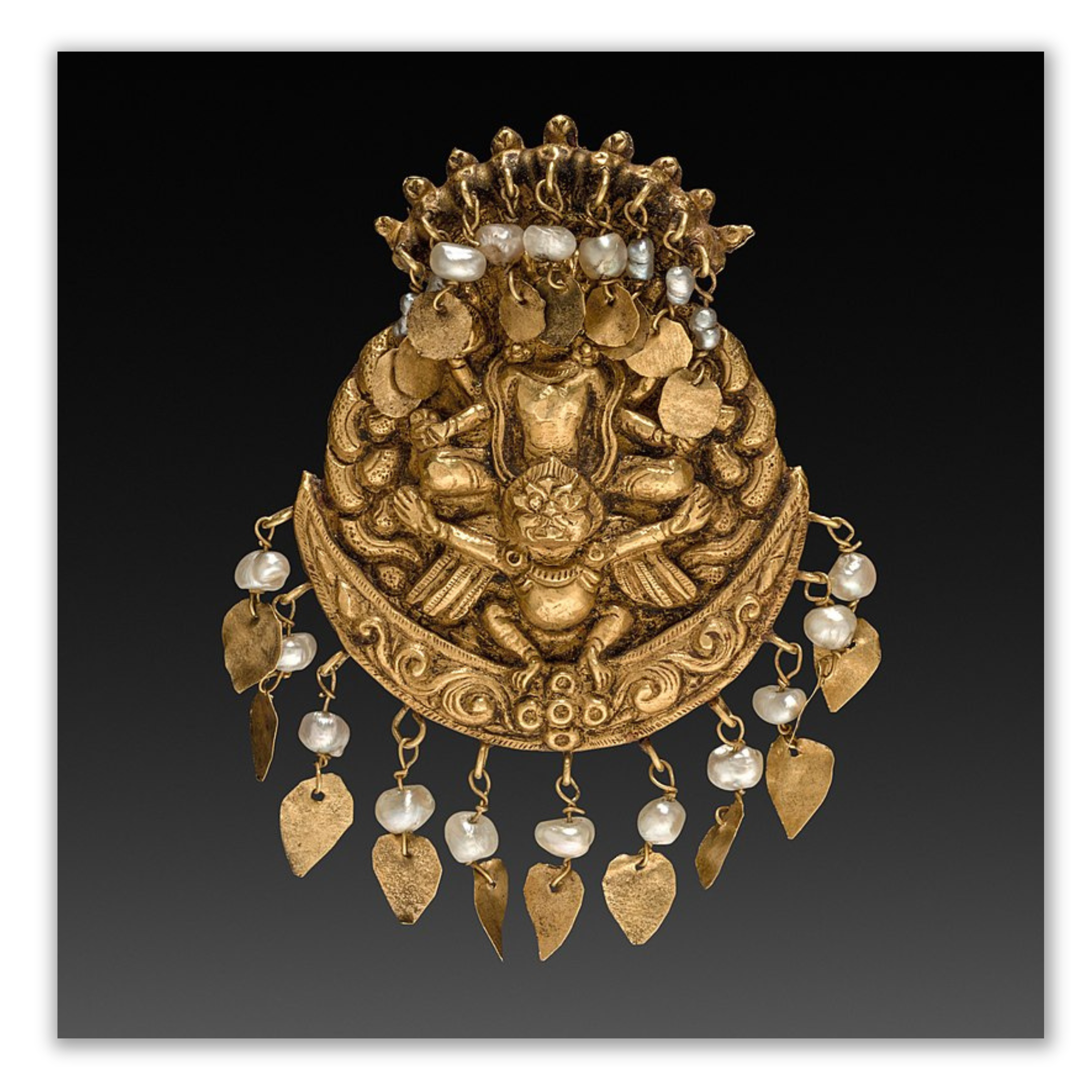
Fine Art Jewelry

Joyería de arte fino

Joyería para Hombres Leiendo Joyería de arte fino 10 minutos Siguiente Joyería antigua

Fine art jewelry is an exquisite form of wearable art that demands a fusion of artistic vision, technical skill, and a profound understanding of materials. Each piece is a testament to the artist's creativity, showcasing their ability to transcend the boundaries of conventional jewelry-making. In this guide, we will take you through the intricate process of creating fine art jewelry, from conceptualization to the finishing touches.  1. Conceptualization Inspiration and Idea Generation The journey of creating fine art jewelry begins with inspiration. This can be drawn from a myriad of sources - nature, personal experiences, emotions, societal issues, or abstract concepts. Artists often keep sketchbooks or journals to capture fleeting moments of inspiration.  Theme and Narrative Once inspired, the artist develops a theme or narrative for the piece. This could be a story, a message, an emotion, or an exploration of a specific concept. The chosen theme will guide all subsequent decisions in the creation process.  2. Material Selection Exploring Unconventional Materials Fine art jewelry often incorporates a wide range of materials beyond the traditional metals and gemstones. This can include wood, glass, ceramics, plastics, textiles, and even found objects. The choice of materials is integral to the piece's conceptual and aesthetic impact.  Consideration of Material Properties Artists must understand the properties of the chosen materials - their durability, malleability, color, texture, and how they interact with other elements in the piece. This knowledge ensures that the materials serve the artistic vision effectively.  3. Techniques and Execution Traditional and Experimental Techniques Fine art jewelers are adept in both traditional jewelry-making techniques (e.g., soldering, stone-setting, metal forming) and experimental methods (e.g., enameling, filigree, mixed-media assemblage). The choice of technique depends on the desired outcome and the compatibility with selected materials.  Attention to Detail Fine art jewelry demands precision and attention to detail. Each component of the piece must be meticulously crafted to align with the artist's vision. This includes considerations for symmetry, proportions, and surface finishes.  4. Concept Integration Weaving the Concept into the Design Throughout the creation process, the artist continually references the initial concept and narrative. Every design decision - from the arrangement of elements to the choice of colors and textures - should serve to convey or enhance the intended message or emotion.  5. Finishing and Presentation Surface Treatments The finishing touches are crucial in fine art jewelry. Surface treatments such as polishing, patination, or texturing can dramatically impact the visual and tactile qualities of the piece.  Presentation and Display How a piece is presented significantly influences how it is perceived. Artists carefully consider how the jewelry will be worn or displayed, ensuring it complements the wearer or the environment in which it is showcased.  6. Reflection and Refinement Critical Evaluation Once the piece is complete, the artist engages in a critical evaluation. They assess how effectively the piece communicates the intended concept and if any adjustments are necessary.  Iterative Process Fine art jewelry often involves a series of iterations. Artists may revisit and refine their designs, applying new techniques or exploring different materials to further develop their artistic voice.  7. Documentation and Communication Recording the Process Many artists document their creative process through sketches, photographs, or written reflections. This documentation serves as a record of the evolution of the piece and can be valuable for future reference or for sharing the artistic journey with others.  Creating fine art jewelry is a deeply personal and expressive endeavor. It requires a profound connection to the chosen materials, a mastery of techniques, and a commitment to the conceptual foundation of the piece. The result is not just an accessory, but a tangible embodiment of the artist's creativity and vision, inviting the viewer to engage with the world in new and profound ways.

¿Qué es la Joyería de Arte Fino / Introducción y Guía:

Emerald Mother Of Pearl Diamond Gold Taj Earrings by 1stDibs

Pendientes Taj de Esmeralda, Madre Perla, Diamantes y Oro por 1stDibs

La joyería de arte fino representa una armoniosa combinación de expresión artística, artesanía exquisita y la belleza atemporal de materiales preciosos. A diferencia de la joyería convencional, que se centra principalmente en el valor intrínseco de las piedras preciosas y los metales, la joyería de arte fino pone un énfasis profundo en los aspectos estéticos, conceptuales y emocionales de la pieza. En esta guía completa, exploraremos el cautivador mundo de la joyería de arte fino, abordando su historia, características, artistas destacados y el intrincado proceso de creación.

Entendiendo la Joyería de Arte Fino

La joyería de arte fino trasciende el ámbito del adorno tradicional. Es una unión de expresión artística, artesanía excepcional y el atractivo de materiales preciosos. A diferencia de la joyería convencional, que a menudo prioriza el valor intrínseco de las piedras y los metales, la joyería de arte fino pone un énfasis profundo en las dimensiones conceptuales, emocionales y estéticas de la pieza. En esta guía completa, profundizaremos en el mundo cautivador de la joyería de arte fino, explorando su esencia, características, artistas destacados y el proceso intrincado de creación.

Definiendo la Joyería de Arte Fino:

La joyería de arte fino se encuentra en la intersección de la visión artística y la habilidad técnica. Implica la creación de piezas de arte portátiles que no solo son estéticamente impresionantes, sino también conceptualmente profundas. Los artistas que participan en la joyería de arte fino no solo son joyeros talentosos, sino también artistas plenos, fusionando sin esfuerzo su dominio de las técnicas tradicionales de joyería con una comprensión profunda de los principios de diseño y estética.

Una Salida del Adorno Convencional

Mientras que la joyería convencional a menudo pone énfasis en el valor monetario de los materiales, la joyería de arte fino prioriza la visión artística y la profundidad conceptual de la pieza. Cada creación es única, llevando consigo una historia, un sentimiento o una idea profunda. Desafía los límites de lo que puede ser la joyería, empujando los límites de la creatividad y la innovación.

Fine art jewelry is an exquisite form of wearable art that demands a fusion of artistic vision, technical skill, and a profound understanding of materials. Each piece is a testament to the artist's creativity, showcasing their ability to transcend the boundaries of conventional jewelry-making. In this guide, we will take you through the intricate process of creating fine art jewelry, from conceptualization to the finishing touches.  1. Conceptualization Inspiration and Idea Generation The journey of creating fine art jewelry begins with inspiration. This can be drawn from a myriad of sources - nature, personal experiences, emotions, societal issues, or abstract concepts. Artists often keep sketchbooks or journals to capture fleeting moments of inspiration.  Theme and Narrative Once inspired, the artist develops a theme or narrative for the piece. This could be a story, a message, an emotion, or an exploration of a specific concept. The chosen theme will guide all subsequent decisions in the creation process.  2. Material Selection Exploring Unconventional Materials Fine art jewelry often incorporates a wide range of materials beyond the traditional metals and gemstones. This can include wood, glass, ceramics, plastics, textiles, and even found objects. The choice of materials is integral to the piece's conceptual and aesthetic impact.  Consideration of Material Properties Artists must understand the properties of the chosen materials - their durability, malleability, color, texture, and how they interact with other elements in the piece. This knowledge ensures that the materials serve the artistic vision effectively.  3. Techniques and Execution Traditional and Experimental Techniques Fine art jewelers are adept in both traditional jewelry-making techniques (e.g., soldering, stone-setting, metal forming) and experimental methods (e.g., enameling, filigree, mixed-media assemblage). The choice of technique depends on the desired outcome and the compatibility with selected materials.  Attention to Detail Fine art jewelry demands precision and attention to detail. Each component of the piece must be meticulously crafted to align with the artist's vision. This includes considerations for symmetry, proportions, and surface finishes.  4. Concept Integration Weaving the Concept into the Design Throughout the creation process, the artist continually references the initial concept and narrative. Every design decision - from the arrangement of elements to the choice of colors and textures - should serve to convey or enhance the intended message or emotion.  5. Finishing and Presentation Surface Treatments The finishing touches are crucial in fine art jewelry. Surface treatments such as polishing, patination, or texturing can dramatically impact the visual and tactile qualities of the piece.  Presentation and Display How a piece is presented significantly influences how it is perceived. Artists carefully consider how the jewelry will be worn or displayed, ensuring it complements the wearer or the environment in which it is showcased.  6. Reflection and Refinement Critical Evaluation Once the piece is complete, the artist engages in a critical evaluation. They assess how effectively the piece communicates the intended concept and if any adjustments are necessary.  Iterative Process Fine art jewelry often involves a series of iterations. Artists may revisit and refine their designs, applying new techniques or exploring different materials to further develop their artistic voice.  7. Documentation and Communication Recording the Process Many artists document their creative process through sketches, photographs, or written reflections. This documentation serves as a record of the evolution of the piece and can be valuable for future reference or for sharing the artistic journey with others.  Creating fine art jewelry is a deeply personal and expressive endeavor. It requires a profound connection to the chosen materials, a mastery of techniques, and a commitment to the conceptual foundation of the piece. The result is not just an accessory, but a tangible embodiment of the artist's creativity and vision, inviting the viewer to engage with the world in new and profound ways.

Características de la Joyería de Arte Fino:

Laguna Beach Jewelry Designer by Adam Neeley

Diseñador de Joyería de Laguna Beach por Adam Neeley

Diseño Innovador

La joyería de arte fino es conocida por sus diseños innovadores y a menudo poco convencionales. Los artistas en este ámbito no están atados a la tradición; experimentan con materiales, técnicas y formas para crear piezas que son tanto visualmente impactantes como intelectualmente estimulantes.

Profundidad Conceptual

Cada pieza de joyería de arte fino está anclada en una narrativa, concepto o tema. Esta base conceptual añade una capa de significado y compromiso más allá del atractivo estético. Invita al espectador a profundizar en la historia detrás de la pieza.

Edición Limitada o Única en su Tipo

La joyería de arte fino generalmente se produce en cantidades limitadas o como piezas únicas. Esta exclusividad aumenta el valor y la importancia de cada pieza.

Fine art jewelry is an exquisite form of wearable art that demands a fusion of artistic vision, technical skill, and a profound understanding of materials. Each piece is a testament to the artist's creativity, showcasing their ability to transcend the boundaries of conventional jewelry-making. In this guide, we will take you through the intricate process of creating fine art jewelry, from conceptualization to the finishing touches.  1. Conceptualization Inspiration and Idea Generation The journey of creating fine art jewelry begins with inspiration. This can be drawn from a myriad of sources - nature, personal experiences, emotions, societal issues, or abstract concepts. Artists often keep sketchbooks or journals to capture fleeting moments of inspiration.  Theme and Narrative Once inspired, the artist develops a theme or narrative for the piece. This could be a story, a message, an emotion, or an exploration of a specific concept. The chosen theme will guide all subsequent decisions in the creation process.  2. Material Selection Exploring Unconventional Materials Fine art jewelry often incorporates a wide range of materials beyond the traditional metals and gemstones. This can include wood, glass, ceramics, plastics, textiles, and even found objects. The choice of materials is integral to the piece's conceptual and aesthetic impact.  Consideration of Material Properties Artists must understand the properties of the chosen materials - their durability, malleability, color, texture, and how they interact with other elements in the piece. This knowledge ensures that the materials serve the artistic vision effectively.  3. Techniques and Execution Traditional and Experimental Techniques Fine art jewelers are adept in both traditional jewelry-making techniques (e.g., soldering, stone-setting, metal forming) and experimental methods (e.g., enameling, filigree, mixed-media assemblage). The choice of technique depends on the desired outcome and the compatibility with selected materials.  Attention to Detail Fine art jewelry demands precision and attention to detail. Each component of the piece must be meticulously crafted to align with the artist's vision. This includes considerations for symmetry, proportions, and surface finishes.  4. Concept Integration Weaving the Concept into the Design Throughout the creation process, the artist continually references the initial concept and narrative. Every design decision - from the arrangement of elements to the choice of colors and textures - should serve to convey or enhance the intended message or emotion.  5. Finishing and Presentation Surface Treatments The finishing touches are crucial in fine art jewelry. Surface treatments such as polishing, patination, or texturing can dramatically impact the visual and tactile qualities of the piece.  Presentation and Display How a piece is presented significantly influences how it is perceived. Artists carefully consider how the jewelry will be worn or displayed, ensuring it complements the wearer or the environment in which it is showcased.  6. Reflection and Refinement Critical Evaluation Once the piece is complete, the artist engages in a critical evaluation. They assess how effectively the piece communicates the intended concept and if any adjustments are necessary.  Iterative Process Fine art jewelry often involves a series of iterations. Artists may revisit and refine their designs, applying new techniques or exploring different materials to further develop their artistic voice.  7. Documentation and Communication Recording the Process Many artists document their creative process through sketches, photographs, or written reflections. This documentation serves as a record of the evolution of the piece and can be valuable for future reference or for sharing the artistic journey with others.  Creating fine art jewelry is a deeply personal and expressive endeavor. It requires a profound connection to the chosen materials, a mastery of techniques, and a commitment to the conceptual foundation of the piece. The result is not just an accessory, but a tangible embodiment of the artist's creativity and vision, inviting the viewer to engage with the world in new and profound ways.

Un Vistazo a la Historia:

Orígenes de la Joyería de Arte Fino

La joyería de arte fino tiene raíces antiguas, con civilizaciones como los egipcios, griegos y romanos adornándose con joyas intrincadas, a menudo imbuidas de significado simbólico o religioso. Sin embargo, el concepto moderno de joyería de arte fino surgió durante el siglo XX con la aparición de movimientos artísticos como el Art Nouveau y el Art Deco.

Movimientos Artísticos y Joyería de Arte Fino

  • Art Nouveau (Finales del siglo XIX a principios del XX): Celebrada por sus formas orgánicas y fluidas inspiradas en la naturaleza, el Art Nouveau influyó en gran medida en el diseño de joyas, dando lugar a piezas que reflejaban la belleza del mundo natural.

  • Art Deco (1920s a 1930s): Caracterizado por formas geométricas, colores audaces y un sentido de opulencia, la joyería Art Deco reflejaba el glamour y la sofisticación de los años veinte.

Fine art jewelry is an exquisite form of wearable art that demands a fusion of artistic vision, technical skill, and a profound understanding of materials. Each piece is a testament to the artist's creativity, showcasing their ability to transcend the boundaries of conventional jewelry-making. In this guide, we will take you through the intricate process of creating fine art jewelry, from conceptualization to the finishing touches.  1. Conceptualization Inspiration and Idea Generation The journey of creating fine art jewelry begins with inspiration. This can be drawn from a myriad of sources - nature, personal experiences, emotions, societal issues, or abstract concepts. Artists often keep sketchbooks or journals to capture fleeting moments of inspiration.  Theme and Narrative Once inspired, the artist develops a theme or narrative for the piece. This could be a story, a message, an emotion, or an exploration of a specific concept. The chosen theme will guide all subsequent decisions in the creation process.  2. Material Selection Exploring Unconventional Materials Fine art jewelry often incorporates a wide range of materials beyond the traditional metals and gemstones. This can include wood, glass, ceramics, plastics, textiles, and even found objects. The choice of materials is integral to the piece's conceptual and aesthetic impact.  Consideration of Material Properties Artists must understand the properties of the chosen materials - their durability, malleability, color, texture, and how they interact with other elements in the piece. This knowledge ensures that the materials serve the artistic vision effectively.  3. Techniques and Execution Traditional and Experimental Techniques Fine art jewelers are adept in both traditional jewelry-making techniques (e.g., soldering, stone-setting, metal forming) and experimental methods (e.g., enameling, filigree, mixed-media assemblage). The choice of technique depends on the desired outcome and the compatibility with selected materials.  Attention to Detail Fine art jewelry demands precision and attention to detail. Each component of the piece must be meticulously crafted to align with the artist's vision. This includes considerations for symmetry, proportions, and surface finishes.  4. Concept Integration Weaving the Concept into the Design Throughout the creation process, the artist continually references the initial concept and narrative. Every design decision - from the arrangement of elements to the choice of colors and textures - should serve to convey or enhance the intended message or emotion.  5. Finishing and Presentation Surface Treatments The finishing touches are crucial in fine art jewelry. Surface treatments such as polishing, patination, or texturing can dramatically impact the visual and tactile qualities of the piece.  Presentation and Display How a piece is presented significantly influences how it is perceived. Artists carefully consider how the jewelry will be worn or displayed, ensuring it complements the wearer or the environment in which it is showcased.  6. Reflection and Refinement Critical Evaluation Once the piece is complete, the artist engages in a critical evaluation. They assess how effectively the piece communicates the intended concept and if any adjustments are necessary.  Iterative Process Fine art jewelry often involves a series of iterations. Artists may revisit and refine their designs, applying new techniques or exploring different materials to further develop their artistic voice.  7. Documentation and Communication Recording the Process Many artists document their creative process through sketches, photographs, or written reflections. This documentation serves as a record of the evolution of the piece and can be valuable for future reference or for sharing the artistic journey with others.  Creating fine art jewelry is a deeply personal and expressive endeavor. It requires a profound connection to the chosen materials, a mastery of techniques, and a commitment to the conceptual foundation of the piece. The result is not just an accessory, but a tangible embodiment of the artist's creativity and vision, inviting the viewer to engage with the world in new and profound ways.

Artistas y Movimientos Destacados:

René Lalique

René-Lalique verre et citrine Chantecler

René-Lalique vidrio y citrino Chantecler

Pionero de la joyería Art Nouveau, las creaciones de Lalique presentaban diseños intrincados inspirados en la naturaleza, a menudo incorporando materiales como vidrio y esmalte.

Alexander Calder

brass wire bracelet by Alexander Calder (1898-1976)

pulsera de alambre de latón de Alexander Calder (1898-1976)

Reconocido por sus esculturas móviles, Calder también incursionó en la creación de piezas de arte portátiles, difuminando las líneas entre escultura y joyería.

Art Smith

Craft in America - Artist - art-smith

Una figura destacada en el Movimiento de Joyería de Estudio Americana, los diseños vanguardistas de Smith desafiaron las nociones convencionales de la joyería.

Movimiento de Joyería de Estudio

Emergiendo a mediados del siglo XX, este movimiento enfatizaba al artista individual como creador y artesano, fomentando un enfoque más personal y artístico en la fabricación de joyas.

Fine art jewelry is an exquisite form of wearable art that demands a fusion of artistic vision, technical skill, and a profound understanding of materials. Each piece is a testament to the artist's creativity, showcasing their ability to transcend the boundaries of conventional jewelry-making. In this guide, we will take you through the intricate process of creating fine art jewelry, from conceptualization to the finishing touches.  1. Conceptualization Inspiration and Idea Generation The journey of creating fine art jewelry begins with inspiration. This can be drawn from a myriad of sources - nature, personal experiences, emotions, societal issues, or abstract concepts. Artists often keep sketchbooks or journals to capture fleeting moments of inspiration.  Theme and Narrative Once inspired, the artist develops a theme or narrative for the piece. This could be a story, a message, an emotion, or an exploration of a specific concept. The chosen theme will guide all subsequent decisions in the creation process.  2. Material Selection Exploring Unconventional Materials Fine art jewelry often incorporates a wide range of materials beyond the traditional metals and gemstones. This can include wood, glass, ceramics, plastics, textiles, and even found objects. The choice of materials is integral to the piece's conceptual and aesthetic impact.  Consideration of Material Properties Artists must understand the properties of the chosen materials - their durability, malleability, color, texture, and how they interact with other elements in the piece. This knowledge ensures that the materials serve the artistic vision effectively.  3. Techniques and Execution Traditional and Experimental Techniques Fine art jewelers are adept in both traditional jewelry-making techniques (e.g., soldering, stone-setting, metal forming) and experimental methods (e.g., enameling, filigree, mixed-media assemblage). The choice of technique depends on the desired outcome and the compatibility with selected materials.  Attention to Detail Fine art jewelry demands precision and attention to detail. Each component of the piece must be meticulously crafted to align with the artist's vision. This includes considerations for symmetry, proportions, and surface finishes.  4. Concept Integration Weaving the Concept into the Design Throughout the creation process, the artist continually references the initial concept and narrative. Every design decision - from the arrangement of elements to the choice of colors and textures - should serve to convey or enhance the intended message or emotion.  5. Finishing and Presentation Surface Treatments The finishing touches are crucial in fine art jewelry. Surface treatments such as polishing, patination, or texturing can dramatically impact the visual and tactile qualities of the piece.  Presentation and Display How a piece is presented significantly influences how it is perceived. Artists carefully consider how the jewelry will be worn or displayed, ensuring it complements the wearer or the environment in which it is showcased.  6. Reflection and Refinement Critical Evaluation Once the piece is complete, the artist engages in a critical evaluation. They assess how effectively the piece communicates the intended concept and if any adjustments are necessary.  Iterative Process Fine art jewelry often involves a series of iterations. Artists may revisit and refine their designs, applying new techniques or exploring different materials to further develop their artistic voice.  7. Documentation and Communication Recording the Process Many artists document their creative process through sketches, photographs, or written reflections. This documentation serves as a record of the evolution of the piece and can be valuable for future reference or for sharing the artistic journey with others.  Creating fine art jewelry is a deeply personal and expressive endeavor. It requires a profound connection to the chosen materials, a mastery of techniques, and a commitment to the conceptual foundation of the piece. The result is not just an accessory, but a tangible embodiment of the artist's creativity and vision, inviting the viewer to engage with the world in new and profound ways.

Creando Joyería de Arte Fino: El Proceso

Natural Green Colombian Emerald Diamond Cascade Drop Earrings by 1stDibs

Pendientes de cascada con esmeralda colombiana natural, diamantes y zafiro por 1stDibs

La joyería de arte fino es una forma exquisita de arte portátil que requiere una fusión de visión artística, habilidad técnica y un profundo entendimiento de los materiales. Cada pieza es un testimonio de la creatividad del artista, mostrando su capacidad para trascender los límites de la fabricación convencional de joyas. En esta guía, te llevaremos a través del intrincado proceso de creación de joyería de arte fino, desde la conceptualización hasta los toques finales.

1. Conceptualización

Inspiración y Generación de Ideas

El proceso de crear joyería de arte fino comienza con la inspiración. Esta puede provenir de una variedad de fuentes: la naturaleza, experiencias personales, emociones, temas sociales o conceptos abstractos. Los artistas suelen mantener cuadernos de bocetos o diarios para capturar momentos fugaces de inspiración.

Tema y Narrativa

Una vez inspirados, el artista desarrolla un tema o narrativa para la pieza. Esto puede ser una historia, un mensaje, una emoción o una exploración de un concepto específico. El tema elegido guiará todas las decisiones posteriores en el proceso de creación.

2. Selección de Materiales

Explorando Materiales No Convencionales

La joyería de arte fino a menudo incorpora una amplia gama de materiales más allá de los metales y gemas tradicionales. Esto puede incluir madera, vidrio, cerámica, plásticos, textiles e incluso objetos encontrados. La elección de materiales es fundamental para el impacto conceptual y estético de la pieza.

Consideración de las Propiedades del Material

Los artistas deben comprender las propiedades de los materiales elegidos: su durabilidad, maleabilidad, color, textura y cómo interactúan con otros elementos en la pieza. Este conocimiento asegura que los materiales sirvan eficazmente a la visión artística.

3. Técnicas y Ejecución

Técnicas Tradicionales y Experimentales

Los joyeros de arte fino dominan tanto técnicas tradicionales de fabricación de joyas (por ejemplo, soldadura, engaste, conformado de metales) como métodos experimentales (por ejemplo, esmaltado, filigrana, ensamblaje de medios mixtos). La elección de la técnica depende del resultado deseado y de la compatibilidad con los materiales seleccionados.

Atención al Detalle

La joyería de arte exige precisión y atención meticulosa a los detalles. Cada componente de la pieza debe ser elaborado cuidadosamente para alinearse con la visión del artista. Esto incluye consideraciones de simetría, proporciones y acabados superficiales.

4. Integración del Concepto

A lo largo del proceso de creación, el artista hace referencia continuamente al concepto y narrativa inicial. Cada decisión de diseño — desde la disposición de los elementos hasta la elección de colores y texturas — debe servir para transmitir o realzar el mensaje o la emoción deseada.

5. Acabados y Presentación

Ruby, Black & White Diamond Earrings by Adam Neeley

Pendientes de Rubí, Diamantes Negros y Blancos por Adam Neeley

Tratamientos Superficiales

Los toques finales son cruciales en la joyería de arte. Los tratamientos superficiales como pulido, pátina o texturizado pueden impactar dramáticamente las cualidades visuales y táctiles de la pieza.

Presentación y Exhibición

La forma en que se presenta una pieza influye significativamente en cómo se percibe. Los artistas consideran cuidadosamente cómo se usará o exhibirá la joya, asegurándose de que complemente al portador o al entorno en el que se exhibe.

6. Reflexión y Refinamiento

Evaluación Crítica

Una vez que la pieza está completa, el artista realiza una evaluación crítica. Analiza qué tan eficaz es la pieza para comunicar el concepto deseado y si es necesario realizar ajustes.

Proceso Iterativo

La joyería de arte suele involucrar una serie de iteraciones. Los artistas pueden revisar y perfeccionar sus diseños, aplicando nuevas técnicas o explorando diferentes materiales para desarrollar aún más su expresión artística.

7. Documentación y Comunicación

Muchos artistas documentan su proceso creativo mediante bocetos, fotografías o reflexiones escritas. Esta documentación sirve como registro de la evolución de la pieza y puede ser valiosa para futuras referencias o para compartir el proceso artístico con otros.

Crear joyería de arte es una actividad profundamente personal y expresiva. Requiere una conexión profunda con los materiales elegidos, dominio de las técnicas y compromiso con la base conceptual de la pieza. El resultado no es solo un accesorio, sino una encarnación tangible de la creatividad y visión del artista, invitando al espectador a involucrarse con el mundo de maneras nuevas y profundas.

Fine art jewelry is an exquisite form of wearable art that demands a fusion of artistic vision, technical skill, and a profound understanding of materials. Each piece is a testament to the artist's creativity, showcasing their ability to transcend the boundaries of conventional jewelry-making. In this guide, we will take you through the intricate process of creating fine art jewelry, from conceptualization to the finishing touches.  1. Conceptualization Inspiration and Idea Generation The journey of creating fine art jewelry begins with inspiration. This can be drawn from a myriad of sources - nature, personal experiences, emotions, societal issues, or abstract concepts. Artists often keep sketchbooks or journals to capture fleeting moments of inspiration.  Theme and Narrative Once inspired, the artist develops a theme or narrative for the piece. This could be a story, a message, an emotion, or an exploration of a specific concept. The chosen theme will guide all subsequent decisions in the creation process.  2. Material Selection Exploring Unconventional Materials Fine art jewelry often incorporates a wide range of materials beyond the traditional metals and gemstones. This can include wood, glass, ceramics, plastics, textiles, and even found objects. The choice of materials is integral to the piece's conceptual and aesthetic impact.  Consideration of Material Properties Artists must understand the properties of the chosen materials - their durability, malleability, color, texture, and how they interact with other elements in the piece. This knowledge ensures that the materials serve the artistic vision effectively.  3. Techniques and Execution Traditional and Experimental Techniques Fine art jewelers are adept in both traditional jewelry-making techniques (e.g., soldering, stone-setting, metal forming) and experimental methods (e.g., enameling, filigree, mixed-media assemblage). The choice of technique depends on the desired outcome and the compatibility with selected materials.  Attention to Detail Fine art jewelry demands precision and attention to detail. Each component of the piece must be meticulously crafted to align with the artist's vision. This includes considerations for symmetry, proportions, and surface finishes.  4. Concept Integration Weaving the Concept into the Design Throughout the creation process, the artist continually references the initial concept and narrative. Every design decision - from the arrangement of elements to the choice of colors and textures - should serve to convey or enhance the intended message or emotion.  5. Finishing and Presentation Surface Treatments The finishing touches are crucial in fine art jewelry. Surface treatments such as polishing, patination, or texturing can dramatically impact the visual and tactile qualities of the piece.  Presentation and Display How a piece is presented significantly influences how it is perceived. Artists carefully consider how the jewelry will be worn or displayed, ensuring it complements the wearer or the environment in which it is showcased.  6. Reflection and Refinement Critical Evaluation Once the piece is complete, the artist engages in a critical evaluation. They assess how effectively the piece communicates the intended concept and if any adjustments are necessary.  Iterative Process Fine art jewelry often involves a series of iterations. Artists may revisit and refine their designs, applying new techniques or exploring different materials to further develop their artistic voice.  7. Documentation and Communication Recording the Process Many artists document their creative process through sketches, photographs, or written reflections. This documentation serves as a record of the evolution of the piece and can be valuable for future reference or for sharing the artistic journey with others.  Creating fine art jewelry is a deeply personal and expressive endeavor. It requires a profound connection to the chosen materials, a mastery of techniques, and a commitment to the conceptual foundation of the piece. The result is not just an accessory, but a tangible embodiment of the artist's creativity and vision, inviting the viewer to engage with the world in new and profound ways.

Coleccionar y Apreciar la Joyería de Arte

Construir una Colección

Coleccionar joyería de arte requiere un ojo crítico, una profunda apreciación por la expresión artística y la disposición a explorar artistas y movimientos emergentes.

Exposiciones y Galerías

Las galerías de arte y exposiciones suelen mostrar el trabajo de joyeros de arte. Asistir a estos eventos brinda la oportunidad de interactuar con los artistas, obtener ideas sobre sus procesos creativos y descubrir nuevas piezas.

Valoración e Inversión

Aunque la joyería de arte puede apreciar en valor, es importante abordarla como una forma de expresión artística más que como una inversión puramente financiera. Investigar el historial del artista, su trayectoria en exposiciones y la recepción crítica puede ofrecer contexto para evaluar el valor de la pieza.

Fine art jewelry is an exquisite form of wearable art that demands a fusion of artistic vision, technical skill, and a profound understanding of materials. Each piece is a testament to the artist's creativity, showcasing their ability to transcend the boundaries of conventional jewelry-making. In this guide, we will take you through the intricate process of creating fine art jewelry, from conceptualization to the finishing touches.  1. Conceptualization Inspiration and Idea Generation The journey of creating fine art jewelry begins with inspiration. This can be drawn from a myriad of sources - nature, personal experiences, emotions, societal issues, or abstract concepts. Artists often keep sketchbooks or journals to capture fleeting moments of inspiration.  Theme and Narrative Once inspired, the artist develops a theme or narrative for the piece. This could be a story, a message, an emotion, or an exploration of a specific concept. The chosen theme will guide all subsequent decisions in the creation process.  2. Material Selection Exploring Unconventional Materials Fine art jewelry often incorporates a wide range of materials beyond the traditional metals and gemstones. This can include wood, glass, ceramics, plastics, textiles, and even found objects. The choice of materials is integral to the piece's conceptual and aesthetic impact.  Consideration of Material Properties Artists must understand the properties of the chosen materials - their durability, malleability, color, texture, and how they interact with other elements in the piece. This knowledge ensures that the materials serve the artistic vision effectively.  3. Techniques and Execution Traditional and Experimental Techniques Fine art jewelers are adept in both traditional jewelry-making techniques (e.g., soldering, stone-setting, metal forming) and experimental methods (e.g., enameling, filigree, mixed-media assemblage). The choice of technique depends on the desired outcome and the compatibility with selected materials.  Attention to Detail Fine art jewelry demands precision and attention to detail. Each component of the piece must be meticulously crafted to align with the artist's vision. This includes considerations for symmetry, proportions, and surface finishes.  4. Concept Integration Weaving the Concept into the Design Throughout the creation process, the artist continually references the initial concept and narrative. Every design decision - from the arrangement of elements to the choice of colors and textures - should serve to convey or enhance the intended message or emotion.  5. Finishing and Presentation Surface Treatments The finishing touches are crucial in fine art jewelry. Surface treatments such as polishing, patination, or texturing can dramatically impact the visual and tactile qualities of the piece.  Presentation and Display How a piece is presented significantly influences how it is perceived. Artists carefully consider how the jewelry will be worn or displayed, ensuring it complements the wearer or the environment in which it is showcased.  6. Reflection and Refinement Critical Evaluation Once the piece is complete, the artist engages in a critical evaluation. They assess how effectively the piece communicates the intended concept and if any adjustments are necessary.  Iterative Process Fine art jewelry often involves a series of iterations. Artists may revisit and refine their designs, applying new techniques or exploring different materials to further develop their artistic voice.  7. Documentation and Communication Recording the Process Many artists document their creative process through sketches, photographs, or written reflections. This documentation serves as a record of the evolution of the piece and can be valuable for future reference or for sharing the artistic journey with others.  Creating fine art jewelry is a deeply personal and expressive endeavor. It requires a profound connection to the chosen materials, a mastery of techniques, and a commitment to the conceptual foundation of the piece. The result is not just an accessory, but a tangible embodiment of the artist's creativity and vision, inviting the viewer to engage with the world in new and profound ways.

Conclusión

La joyería de arte se presenta como un testimonio de la creatividad ilimitada y la visión artística de sus creadores. Desafía las convenciones, difumina las fronteras entre arte y adorno, y nos invita a involucrarnos con el mundo de maneras nuevas y profundas. Ya seas un coleccionista apasionado, un artista en ciernes o simplemente un admirador de la belleza, la joyería de arte ofrece un viaje cautivador al mundo del arte portátil.